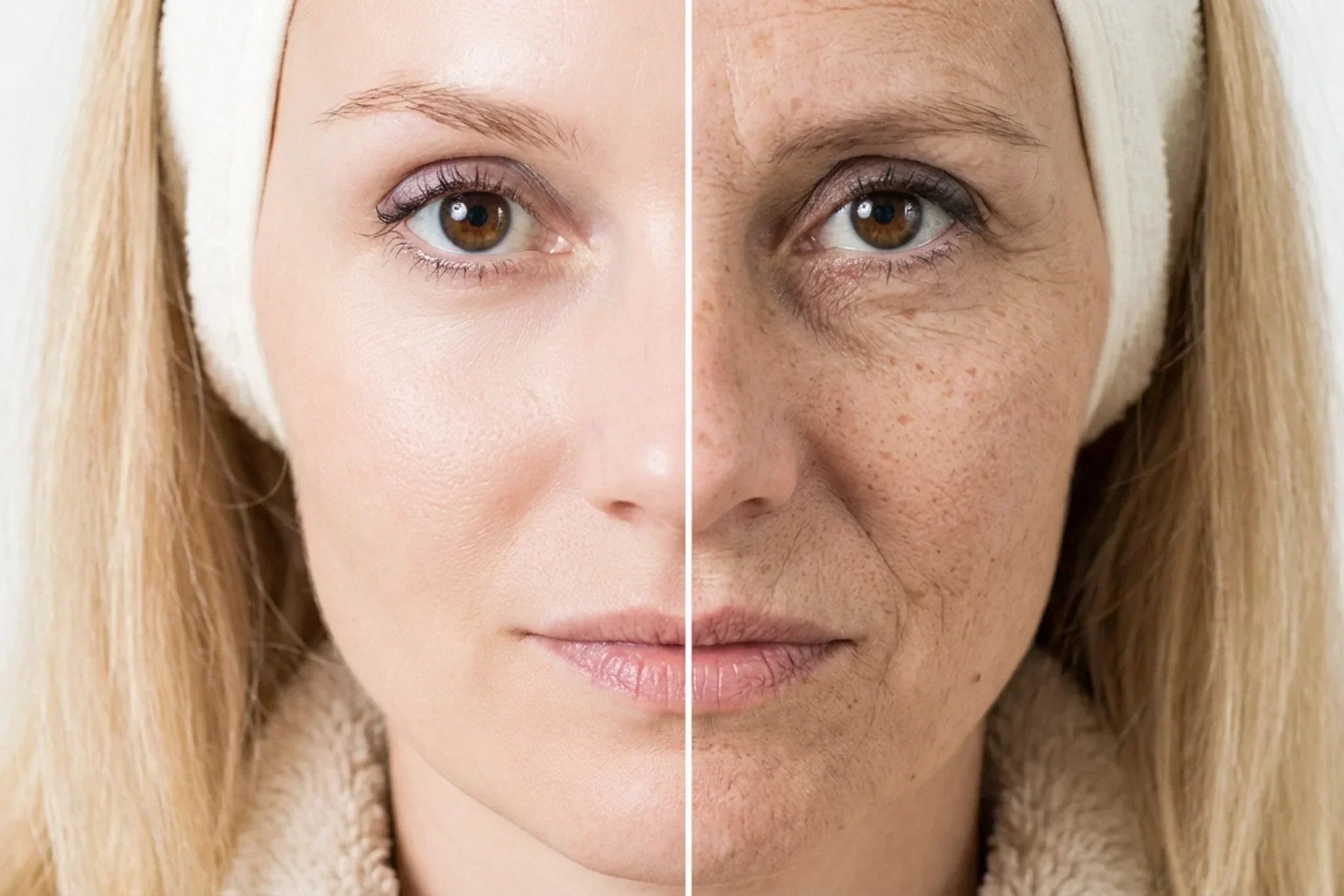

Inflammation plays a critical role in skin health, but when it becomes chronic and low-grade, it quietly accelerates skin aging. This process—often referred to as inflammaging—contributes to collagen breakdown, barrier dysfunction, pigmentation issues, and increased sensitivity.
Unlike acute inflammation, which is part of the skin’s natural defense and repair process, chronic inflammation persists beneath the surface. Over time, it disrupts normal skin function and makes the skin more vulnerable to environmental stressors and premature aging.
Understanding how inflammation affects the skin barrier is essential for maintaining long-term skin resilience.
What Is Chronic Skin Inflammation?
Chronic skin inflammation is a prolonged, low-level immune response that does not fully resolve. It may not present as obvious redness or irritation but instead manifests as:
- Persistent sensitivity
- Dehydration despite moisturizing
- Dullness or uneven tone
- Increased breakouts or congestion
- Slower skin recovery
This underlying inflammation places continuous stress on the skin barrier, weakening its ability to protect against moisture loss, irritants, and pathogens. Over time, this dysfunction contributes directly to skin barrier damage and visible aging.
How Inflammation Accelerates Skin Aging
Chronic inflammation affects aging through several interconnected mechanisms.
Inflammatory mediators such as cytokines and reactive oxygen species stimulate enzymes that break down collagen and elastin, similar to the process seen in photoaging. As collagen degrades, skin loses firmness, elasticity, and structural support.
Inflammation also disrupts melanocyte regulation, increasing the likelihood of hyperpigmentation and uneven tone, particularly in individuals prone to post-inflammatory pigmentation.
Additionally, a compromised barrier allows more irritants and pollutants to penetrate the skin, perpetuating a cycle of inflammation and accelerating visible aging.

Common Triggers of Chronic Skin Inflammation
Low-grade inflammation is rarely caused by a single factor. Instead, it develops from repeated daily stressors.
Dietary triggers such as excess sugar and highly processed foods promote systemic inflammation and glycation, which weakens collagen and compromises skin integrity. This internal stress is closely linked to how diet affects your skin.
Psychological stress and poor sleep elevate cortisol levels, which impair barrier repair and slow collagen synthesis. The relationship between stress, sleep, and inflammation is explored further in how sleep affects skin health.
Over-exfoliation and aggressive skin care strip the barrier and trigger inflammatory responses. Excessive use of acids, scrubs, or strong actives creates ongoing irritation that prevents proper healing—particularly in acne-prone or sensitive skin.
Environmental exposure, including pollution and UV radiation, introduces oxidative stress that activates inflammatory pathways and accelerates collagen degradation.
Inflammation, Acne, and Sensitivity Are Closely Linked
Acne, rosacea, eczema, and reactive skin conditions all share a common denominator: inflammation.
When the barrier is compromised, inflammatory signals increase, oil regulation becomes erratic, and breakouts become more difficult to control. This is why treating acne solely with drying or aggressive products often worsens long-term outcomes.
Addressing inflammation is a foundational principle in managing acne-prone skin and reducing sensitivity without compromising barrier integrity.
How Calming the Skin Restores Barrier Function
Reducing chronic inflammation allows the skin to redirect energy toward repair and regeneration.
Barrier-supportive strategies include limiting exfoliation to a sustainable frequency, avoiding harsh surfactants and alcohol-heavy formulas, and prioritizing ingredients that calm inflammation rather than provoke it.
Niacinamide supports barrier repair and reduces inflammatory signaling. Peptides assist in skin communication and recovery. Antioxidants help neutralize oxidative stress before it triggers inflammatory cascades.
This approach aligns with the broader philosophy of building resilient skin through informed care rather than chasing quick fixes.
Inflammation and Hormonal Skin Changes
Hormonal fluctuations—particularly during perimenopause and menopause—can increase inflammatory sensitivity while simultaneously thinning the skin barrier. Declining estrogen levels reduce collagen density and impair barrier recovery, making the skin more reactive.
Understanding the role inflammation plays in these transitions helps guide more appropriate skin care strategies for hormonal skin changes.
Long-Term Skin Health Requires Inflammation Control
Skin aging is not driven solely by time—it is shaped by cumulative inflammatory stress.
Reducing chronic inflammation does not require extreme routines or aggressive treatments. It requires consistency, restraint, and respect for skin physiology. Supporting the barrier, managing internal stressors, and avoiding repeated irritation allow the skin to function optimally over time.
Healthy, resilient skin is not achieved by doing more, but by doing what the skin can sustain.
Explore our acne-safe, barrier-supportive skincare essentials