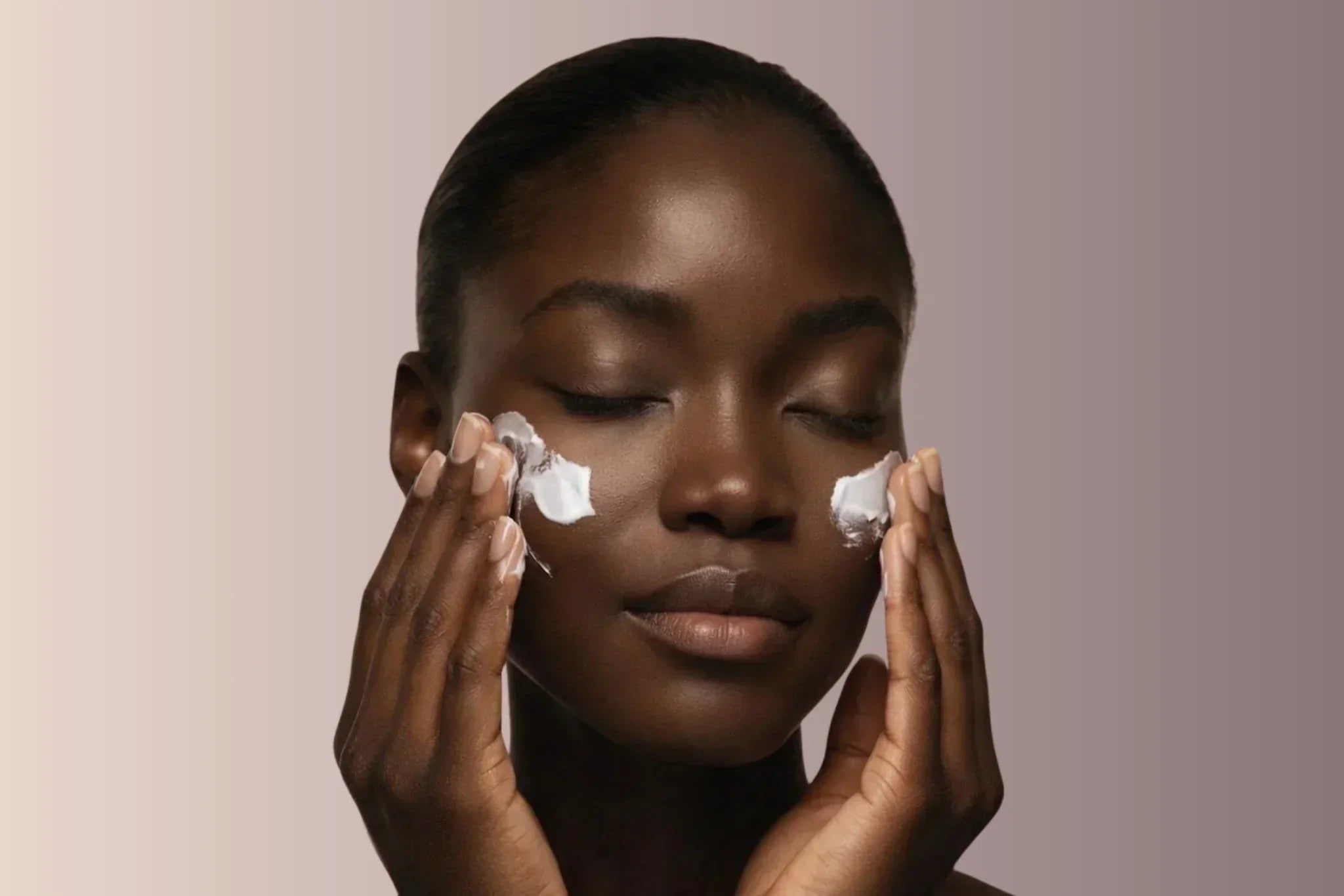

Collagen is the structural backbone of youthful skin, responsible for firmness, elasticity, and resilience. By the mid-twenties, natural collagen production begins to decline by roughly one percent per year. For some individuals, this slowdown begins earlier, leading to fine lines, reduced tone, and dullness. While collagen loss is unavoidable, accelerated decline is often preventable by addressing its most common underlying causes.
Ultraviolet (UV) Exposure and Photoaging
One of the leading causes of collagen damage is ultraviolet (UV) exposure. UV radiation penetrates deeply into the dermis, activating enzymes called matrix metalloproteinases that break down collagen fibers in a process known as photoaging. Photoaging is responsible for nearly 80 percent of visible facial aging. Daily use of broad-spectrum sunscreen with an SPF of 30 or higher is essential year-round. Reapplication every two hours during outdoor exposure is critical, and antioxidant support further strengthens protection against UV-induced skin damage.
Smoking and Accelerated Collagen Breakdown
Smoking is one of the fastest routes to collagen destruction. Chemicals in tobacco smoke generate free radicals that damage collagen and elastin, resulting in thinner skin, deeper wrinkles, and reduced elasticity. Secondhand smoke poses similar risks by triggering oxidative stress. Research consistently shows that smokers exhibit earlier and more severe signs of aging than nonsmokers. Encouragingly, circulation and skin repair begin to improve after smoking cessation, reinforcing the skin’s ability to recover over time.
Sugar, Glycation, and Collagen Stiffening
Diet plays a significant role in collagen integrity. High sugar intake promotes glycation, a process in which sugar molecules bind to proteins and form advanced glycation end products. These compounds stiffen and weaken collagen fibers, making skin less supple and more prone to visible aging. Reducing refined sugars and processed carbohydrates while increasing antioxidant-rich foods helps limit this damage. Nutritional balance is an important component of supporting skin structure from within.
Sleep, Stress, and Cortisol’s Impact on Collagen
Chronic sleep deprivation and prolonged psychological stress elevate cortisol levels, which inhibit collagen synthesis and accelerate its breakdown. Restorative sleep—ideally seven to nine hours per night—allows the skin to repair and regenerate. Stress-reduction practices such as mindfulness, gentle movement, and consistent nighttime routines support hormonal balance and skin recovery. The connection between rest and repair is explored more deeply in how sleep affects skin health.
Skin Care Habits That Weaken the Skin Barrier
Overly aggressive skin care routines can unintentionally contribute to collagen loss. Excessive exfoliation, whether chemical or physical, disrupts the skin barrier and triggers chronic inflammation. Over time, this inflammatory environment accelerates collagen degradation. For most skin types, exfoliating two to three times per week is sufficient. Supporting barrier recovery after exfoliation is essential, particularly for maintaining long-term skin barrier health.
Genetics, Hormones, and Collagen Decline
Genetics and hormones significantly influence how collagen behaves over time. Some individuals are predisposed to faster collagen loss, while hormonal changes—especially declining estrogen levels during perimenopause and menopause—further reduce collagen density. This often results in thinner, less elastic skin. While genetics cannot be altered, targeted skin care strategies and professional guidance can help manage hormonal skin changes more effectively.

How to Support and Preserve Collagen Over Time
Preserving collagen requires a multifaceted, individualized approach. Topical retinoids remain one of the most effective ingredients for stimulating new collagen production and improving skin texture. Vitamin C helps stabilize existing collagen while defending against oxidative stress. Peptides encourage fibroblast activity, supporting the skin’s structural framework, while niacinamide strengthens the barrier and reduces inflammation. These strategies align with a broader philosophy of building resilient skin through informed care.
Internally, consistent use of hydrolyzed collagen peptides over eight to twelve weeks has been associated with improvements in skin elasticity and hydration. As with all supplements, quality, consistency, and individual response matter.
A Forward View
Collagen loss is a natural aspect of aging, but accelerated decline does not have to be inevitable. Long-term collagen preservation relies on steady, informed habits rather than aggressive treatments or quick fixes. Daily sun protection, nutrient-rich nutrition, restorative sleep, and barrier-respecting skin care work together to maintain skin structure over time. The goal is not to stop aging, but to support skin health in a way that evolves intelligently with your skin’s changing needs.
Explore our acne-safe, barrier-supportive skincare essentials