
Sleep is often framed as a lifestyle luxury, but from a skin physiology perspective, it is a biological necessity. No topical product, professional treatment, or advanced ingredient can fully compensate for chronic sleep deprivation.
When sleep is disrupted, the skin’s ability to repair, regulate inflammation, and maintain barrier integrity declines. Over time, this shows up as dehydration, sensitivity, breakouts, uneven tone, and accelerated signs of aging.
Understanding the relationship between sleep and skin health allows for more realistic expectations - and more effective skincare routines.
What Happens to Skin While You Sleep
Sleep is when the body shifts into repair mode. During deep sleep stages, the skin undergoes processes that are difficult, or impossible to complete during waking hours.
Key skin functions supported by sleep:
- Increased cellular turnover and regeneration
- Enhanced barrier repair and lipid production
- Improved microcirculation and oxygen delivery
- Regulation of inflammatory pathways
- Balanced cortisol levels
When sleep is sufficient, skin appears calmer, more hydrated, and more resilient. When it's not, even well-formulated products struggle to perform.
Sleep Deprivation and Skin Barrier Dysfunction
One of the earliest and most common effects of poor sleep is barrier impairment.
Chronic sleep disruption:
- Reduces ceramide and lipid synthesis
- Increases Transepidermal water loss (TEWL)
- Weakens the skin's ability to retain hydration
- Makes skin more reactive and sensitive
This often presents as tightness, flaking, redness, or unexplained irritation - symptoms that are frequently misdiagnosed as "product reactions' rather than sleep-related barrier stress.
The Link Between Sleep, Inflammation, and Breakouts
Sleep deprivation elevates cortisol, the body’s primary stress hormone. Elevated cortisol directly impacts the skin by:
- Increasing inflammation
- Stimulating excess oil production
- Disrupting immune regulation in the skin
For acne-prone individuals, this combination can lead to:
- Increased breakouts
- Slower healing of existing blemishes
- Post-inflammatory hyperpigmentation that lingers longer
This is why breakouts often worsen during periods of stress, travel, or disrupted sleep- even when skincare routines remain unchanged.
Sleep and Premature Skin Aging
Quality sleep plays a significant role in how the skin ages.
Insufficient or poor-quality sleep has been associated with:
- Reduced collagen production
- Impaired DNA repair
- Increased oxidative stress
- Dullness and uneven tone
- More pronounced fine lines
Over time, sleep deprivation contributes to visible fatigue in the skin that no amount of makeup can fully conceal.
Why Nighttime Skincare Matters More Than You Think
Evening skincare routines should support, not fight the body’s natural repair processes.
At night, the skin is more receptive to:
- Hydration
- Barrier-supportive ingredients
- Peptides and antioxidants
- Calming and anti-inflammatory compounds
Overly aggressive actives, excessive exfoliation, or layered irritation at night can interfere with the skin's natural recovery window.
The goal of nighttime skincare is restoration, not stimulation.
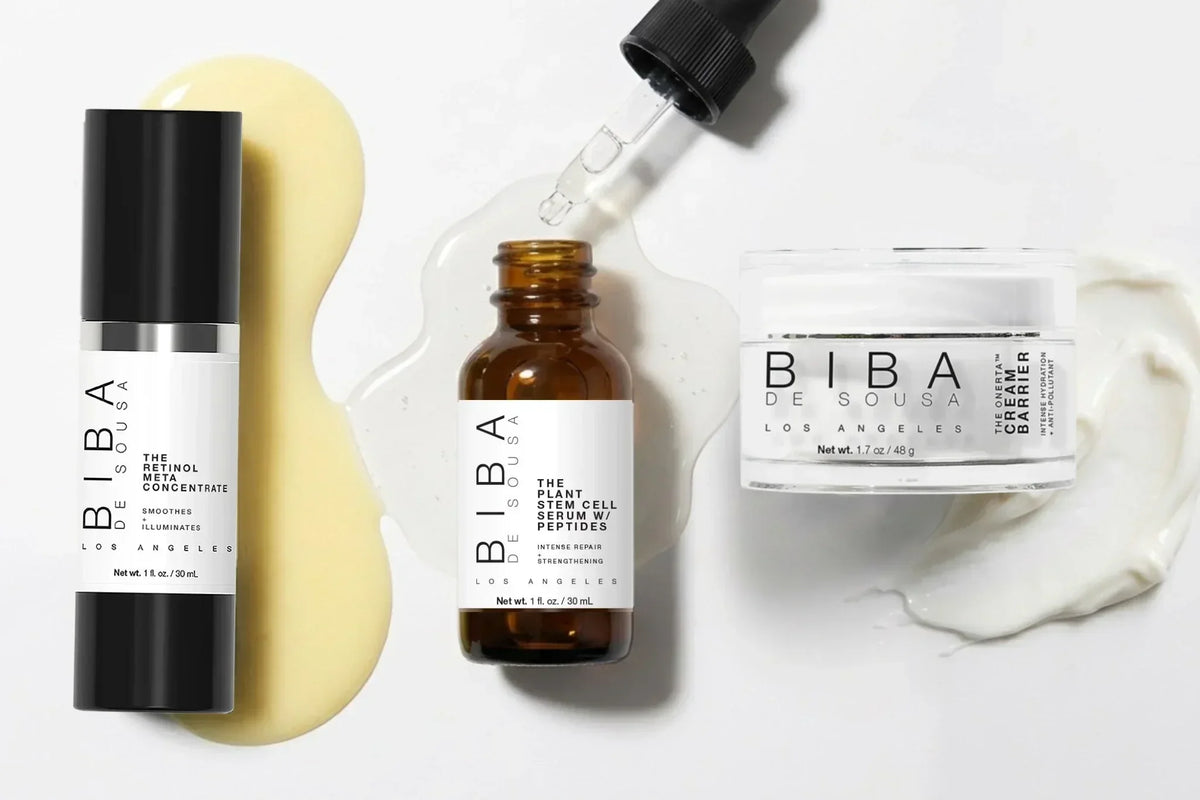
Explore our acne-safe, barrier-supportive skincare essentials

Practical Tips to Support Skin Through Better Sleep
Improving sleep quality doesn’t require perfection. Small, consistent adjustments can make a measurable difference in skin health.
Skin-supportive sleep habits:
- Maintain consistent sleep and wake times
- Create a cool, dark sleeping environment
- Limit blue light exposure before bed
- Avoid late-night exfoliation or strong actives
- Prioritize hydration and barrier repair at night
Even incremental improvements in sleep quality often show visible results in skin texture, tone and sensitivity.
Healthy Skin Starts with Rest
Skincare is often treated as a purely external practice, but skin health is deeply interconnected with internal rhythms - especially sleep.
Products, treatments, and professional care are valuable tools, but they work best when the body is allowed adequate time to repair and regulate itself.
Supporting your sleep is not indulgent.
It’s foundational.
FAQ's
Does lack of sleep cause breakouts?
Yes, Poor sleep Increases inflammation and cortisol, which can contribute to breakouts and delayed healing.
Can skincare make up for poor sleep?
No, skincare products can fully compensate for chronic sleep deprivation, though proper routines can help support recovery.
How many hours of sleep does skin need?
Most adults benefit from 7-9 hours of quality sleep to support optimal skin repair and regulation.