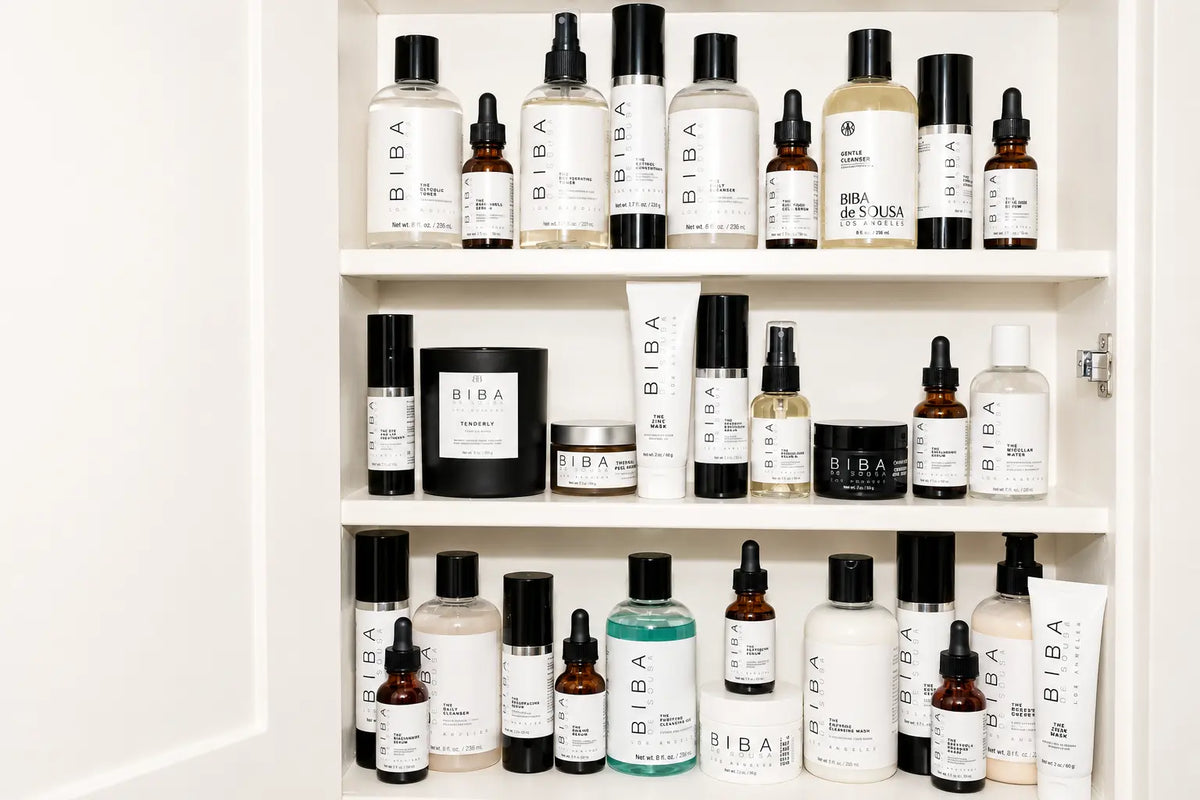

As temperatures rise and humidity increases, your skin undergoes noticeable changes. Higher temperatures stimulate oil production, while sweat, sunscreen, and environmental debris can mix with excess sebum, increasing the likelihood of clogged pores and breakouts. If you are prone to acne, a few seasonal adjustments to your skincare routine can help keep your skin balanced throughout the warmer months.
If your breakouts seem resistant to treatment, learn why many acne products fall short and what actually works in my article, Why Most Acne Treatments Fail.
Cleanse Regularly
Warmer weather often means more sweating and increased oil production, making it especially important to cleanse your skin consistently. Washing away excess oil, sweat, sunscreen, and daily buildup helps reduce congestion before it turns into inflamed breakouts. Choose a gentle cleanser formulated for acne-prone skin that removes impurities without leaving your skin feeling tight or stripped.
Choosing the right cleanser is one of the most important steps in an acne routine. Learn more in Best Products for Acne-Prone Skin That Support the Skin Barrier.
Switch to Lightweight, Non-Comedogenic Products
Heavy creams that work well during colder months can sometimes feel too rich in the spring and summer. Replace them with lightweight, non-comedogenic moisturizers and serums that provide hydration without contributing to clogged pores. Keeping the skin hydrated remains important, even if your skin feels oilier. Proper hydration helps support a healthy skin barrier.
Keeping the skin hydrated remains important, even if your skin feels oilier. Proper hydration helps support a healthy skin barrier.

Incorporate AHAs, BHAs, Retinoids, and Benzoyl Peroxide
Chemical exfoliants such as alpha hydroxy acids (AHAs) and beta hydroxy acids (BHAs) help remove dead skin cells and keep pores clear. Retinoids encourage healthy cell turnover, while benzoyl peroxide helps reduce acne-causing bacteria. Used consistently and appropriately, these ingredients can both prevent new breakouts and improve existing blemishes.
Avoid Over-Exfoliation
When breakouts appear, many people assume they need to exfoliate more frequently. In reality, excessive exfoliation can damage the skin barrier, leading to irritation, inflammation, and even more oil production. Limit exfoliation to two or three times per week unless otherwise directed by your skincare professional, and choose exfoliating products that are appropriate for your skin type.
If your skin feels tight, stings after applying skincare, or suddenly becomes more sensitive, you may have over-exfoliated. Learn how to repair over-exfoliated skin and restore a healthy skin barrier.
Spot Treat Individual Blemishes
Rather than applying strong acne treatments over your entire face, treat active blemishes individually whenever possible. Spot treatments help minimize unnecessary dryness and irritation while delivering targeted treatment where it is needed most.
Protect Your Skin from UV Damage
Sun exposure does not cure acne. In fact, it can worsen post-inflammatory hyperpigmentation (PIH) and make acne marks linger long after a breakout has healed. Apply a broad-spectrum, non-comedogenic sunscreen every morning and reapply every two hours when spending extended time outdoors.
Support Your Skin with Daily Habits
Healthy skin is influenced by more than topical products. Staying well hydrated, eating a balanced diet, limiting excess alcohol, and getting adequate sleep all contribute to healthier skin function. Warm weather can also increase water loss through perspiration, making hydration especially important during the summer months.
Schedule Professional Acne Treatments Before Peak Summer
If you are considering chemical peels or more intensive acne treatments, spring is often an ideal time to begin. Many professional resurfacing procedures require minimizing sun exposure during the healing process, making them better suited to cooler months or before prolonged summer sun exposure begins.
One of the biggest mistakes I see in my treatment room is people trying to "dry out" oily skin during the summer. While reducing excess oil is important, stripping the skin with harsh cleansers or overusing acne treatments often weakens the skin barrier, triggering irritation and making breakouts more difficult to control. The goal is not to remove all oil, but to keep the skin balanced, healthy, and functioning properly.