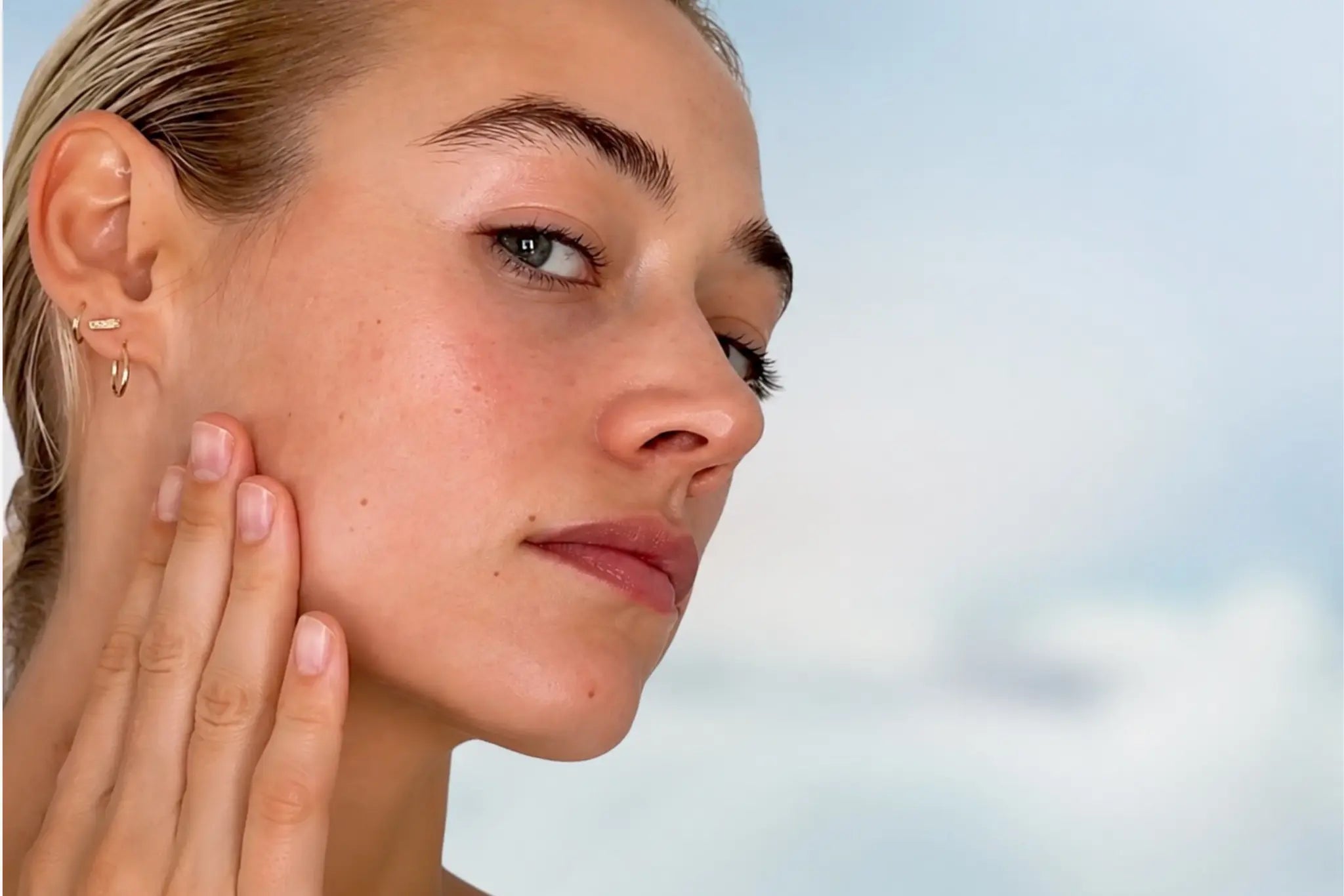

One of the biggest skincare misconceptions is that humid weather automatically keeps your skin hydrated. While humidity increases moisture in the air, it doesn't necessarily increase the skin's water content. In fact, prolonged sun exposure, air conditioning, swimming, frequent cleansing, and excessive sweating can all leave your skin dehydrated, even during the hottest months of the year.
Dehydrated skin isn't a skin type. Dehydration is a temporary condition that can affect anyone, whether your skin is oily, dry, combination, or acne-prone. Learning to recognize the signs of dehydration and choosing the right hydrating ingredients can help your skin remain healthy, comfortable, and resilient throughout the summer.
Here are my favorite strategies for keeping skin hydrated without making it feel heavy or greasy.
Understand the Difference Between Dry and Dehydrated Skin
Dry skin lacks oil. Dehydrated skin lacks water. Even oily and acne-prone skin can become dehydrated during the summer. When the skin loses water, it often compensates by producing more oil, creating the illusion that the skin is well hydrated when it is actually struggling.
Don't Over-Cleanse
Sweating doesn't mean your skin is dirty. Washing your face too frequently or using harsh cleansers can strip away essential lipids and weaken the skin barrier, making dehydration even worse. A gentle cleanser that respects the skin barrier is usually all that's needed.
Choose Hydration, Not Heavy Occlusion
Many rich creams that feel wonderful during winter become unnecessarily heavy in summer. Instead, look for lightweight hydrating products containing ingredients such as hyaluronic acid, panthenol, beta-glucan, glycerin, or sodium PCA. They replenish water without leaving the skin feeling greasy.
One of my favorite hydrating ingredients is Hyaluronic Acid. As a humectant, it attracts and binds water to the skin, helping maintain hydration without feeling heavy. Multi-molecular-weight formulas hydrate different levels of the skin more effectively than a single molecular weight alone. My Hyaluronic Acid Serum was formulated with this multi-molecular-weight approach to deliver hydration where it's needed most.
If your main concern is acne, rosacea, or congestion caused by hot, humid weather rather than dehydration, I cover those topics in How to Take Care of Problem Skin in Hot, Humid Weather.
Replenish Water Throughout the Day
If your skin feels tight after spending time outdoors, swimming, or sitting in air conditioning, a hydrating toner or facial mist can provide an instant boost of hydration before applying your moisturizer. Well-hydrated skin looks smoother, feels more supple, and appears healthier. It is also less likely to look dull, blotchy, or irritated.
If you're wondering whether a hydrating toner is a worthwhile addition to your routine, I explain exactly what it does in What Does a Hydrating Toner Do?
For daily hydration, I like to layer my Hydrating Toner, followed by my Hyaluronic Acid Serum, and finish with my Daily Moisturizer to help maintain hydration without leaving the skin feeling heavy or greasy.
Support Your Skin Barrier
Healthy hydration depends on a healthy skin barrier. When the barrier becomes compromised, water escapes more easily, leaving skin tight, dull, and more sensitive. Supporting the skin barrier with gentle skincare and avoiding unnecessary irritation helps your skin retain moisture naturally.
If your skin feels overheated or dehydrated after prolonged sun exposure, my Herbal Gel Mask provides an immediate cooling, calming, and hydrating treatment. For an extra refreshing experience during the summer, keep it in the refrigerator before use.

Watch for Signs of Dehydration
Dehydrated skin doesn't always feel dry. Common signs include:
- Tightness after cleansing
- Fine dehydration lines
- Increased sensitivity
- Dull-looking skin
- Makeup that doesn't apply smoothly
- Excess oil combined with surface tightness
Recognizing these early signs allows you to adjust your routine before dehydration becomes more noticeable.
Final Thoughts
Keeping skin hydrated during summer isn't about using richer products. It's about maintaining water balance while protecting the skin barrier. By choosing lightweight, water-supporting ingredients and avoiding unnecessary irritation, you can keep your skin comfortable, healthy, and resilient all season long.