
SKIN BARRIER FUNCTION: WHAT IT IS AND HOW TO SUPPORT IT
Most persistent skin concerns - acne, sensitivity, dehydration, uneven texture, redness, and reactivity often trace back to a compromised skin barrier.
The skin barrier is the outermost protective layer of the skin responsible for regulating hydration, reducing transepidermal water loss (TEWL), and protecting against environmental stress.

When functioning properly, the skin feels comfortable, appears balanced, and responds more consistently to skincare products and treatments. Every visible skin outcome ultimately builds on this foundation.
At its core, the skin operates through cutaneous homeostasis - its ability to remain balanced, repair itself, and maintain hydration over time.
If your skin feels persistently reactive or dehydrated, simplifying the routine and focusing on barrier-supportive skincare is often the best place to begin.
The skin barrier is the outermost protective layer of the skin responsible for regulating hydration, reducing transepidermal water loss (TEWL), and protecting against environmental stress.
Learn more about the barrier repair.
WHAT IS THE SKIN BARRIER?
The skin barrier is the outermost protective layer of the skin that helps regulate hydration, defend against environmental stress, and maintain overall skin health.
It is selectively permeable, meaning it allows beneficial elements in while helping keep irritants and excessive moisture loss out. When the barrier is intact, the skin remains more resilient, predictable, and comfortable.
WHAT IS THE SKIN BARRIER MADE OF?
The skin barrier is a functional system made up of multiple elements working together:
CORNEOCYTES (STRUCTURAL CELLS)
Flattened, protein-rich cells that form the outermost layer of the skin. When properly hydrated, they sit tightly together, creating a smooth and uniform surface.
LIPIDS (THE BINDING MATRIX)
A structured blend of ceramides, cholesterol, and fatty acids that hold cells together and regulate water movement. When lipid balance is disrupted, the barrier becomes compromised.
NATURAL MOISTURIZING FACTORS (NMFs)
Water-binding components within the cells, including amino acids, sodium PCA, sodium lactate, and urea. They help retain hydration and maintain flexibility.
THE SKIN MICROBIOME
A complex ecosystem of microorganisms that supports immune function and overall balance.
HOW THE SKIN BARRIER FUNCTIONS
The skin barrier is constantly active. It regulates hydration, maintains structure, and protects against environmental stress.
This ongoing regulation is known as cutaneous homeostasis, the skin’s ability to remain stable and self-regulating.
SIGNS OF A DAMAGED SKIN BARRIER
A compromised barrier often presents as:
tightness after cleansing
increased sensitivity
redness or irritation
dehydration
breakouts or congestion
products suddenly stinging
These signs indicate the skin is no longer functioning optimally.
WHAT DAMAGES THE SKIN BARRIER?
A disrupted barrier is typically the result of repeated stressors:
over-exfoliation
harsh cleansers
environmental exposure
irritating ingredients
microbial imbalance
overuse of active ingredients
aging and reduced lipid production
When compromised, water loss increases, irritants penetrate more easily, and the skin becomes reactive and inconsistent.
HOW TO SUPPORT AND RESTORE THE SKIN BARRIER
GENTLE CLEANSING
Gentle, non-stripping cleansing is one of the most important parts of supporting the skin barrier.
Using cleansers such as the Mandelic Cleansing Gel or Daily Cleanser can help maintain clarity while minimizing unnecessary disruption to the skin.
Over-cleansing, harsh surfactants, and excessive exfoliation can gradually weaken barrier function over time.
Learn more about barrier-friendly cleansing and controlled daily exfoliation.
HYDRATION SUPPORT
Humectants help attract and retain water within the skin.
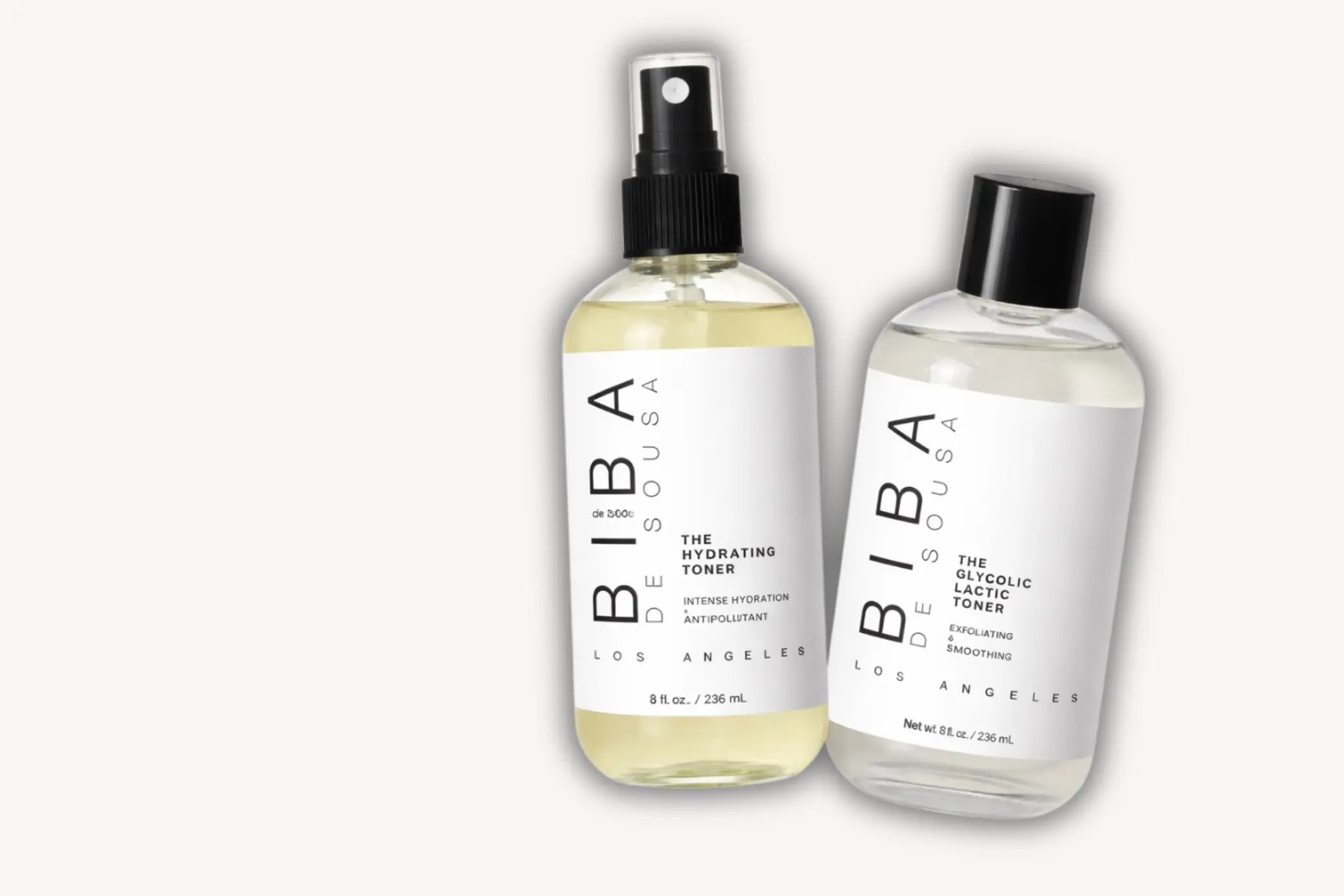
Products such as the Hydrating Toner and Herbal Gel Mask can help support hydration retention while reducing feelings of tightness and reactivity often associated with barrier disruption.
Hydration retention is essential to maintaining skin comfort and overall barrier resilience.
LIPID SUPPORT
Barrier-supportive moisturizers help reinforce comfort while reducing excessive water loss.
Onerta® Cream Barrier and Daily Moisturizer help support lipid balance and overall skin resilience.
ANTIOXIDANT PROTECTION
Environmental stress can contribute to lipid oxidation and barrier instability.
Antioxidant support through products such as Plant Stem Cell Serum with Peptides and Meta C Serum can help support overall skin resilience while minimizing environmental stress.
INTRODUCING ACTIVES SLOWLY
Before introducing exfoliating acids or retinoids, the skin barrier should feel stable and comfortable.
Supporting hydration and reducing unnecessary irritation first often allows active ingredients to perform more consistently over time.
THE ROLE OF LIPIDS IN BARRIER HEALTH
Lipids are essential to maintaining skin barrier structure and hydration.
Ceramides, cholesterol, and fatty acids must exist in proper ratios to support flexibility, resilience, and water retention.
When lipids become depleted or oxidized from environmental stress, the barrier weakens and the skin may become increasingly dry, reactive, or congested.
This is one reason antioxidant protection and lipid support are so important for long-term skin health.
THE MICROBIOME: PREBIOTICS AND POSTBIOTICS
Barrier health is closely tied to the skin microbiome.
Prebiotics help support beneficial bacteria, while postbiotics help maintain overall skin balance and function.
Together, they help reinforce long-term stability and resilience.
Supporting the microbiome may also help reduce visible imbalance, reactivity, and congestion over time.
Products such as the Zinc Mask with Goji Berry Prebiotic can help support this balance while maintaining a calmer skin environment.
TIGHT SKIN VS HEALTHY SKIN
Tightness is often misunderstood.
Tight skin does not necessarily mean firm or healthy skin.
In many cases:
tight skin = dehydration and lipid loss
healthy skin = hydrated and balanced skin
If your skin consistently feels tight after cleansing or treatments, it may be a sign the barrier is compromised rather than strengthened.
WHY THE SKIN BARRIER IS THE FOUNDATION OF ALL SKINCARE
All visible skin outcomes - clarity, smoothness, tone, hydration, and predictability depend on barrier function.
When the barrier is stable, the skin tends to behave more consistently and tolerate products more effectively.
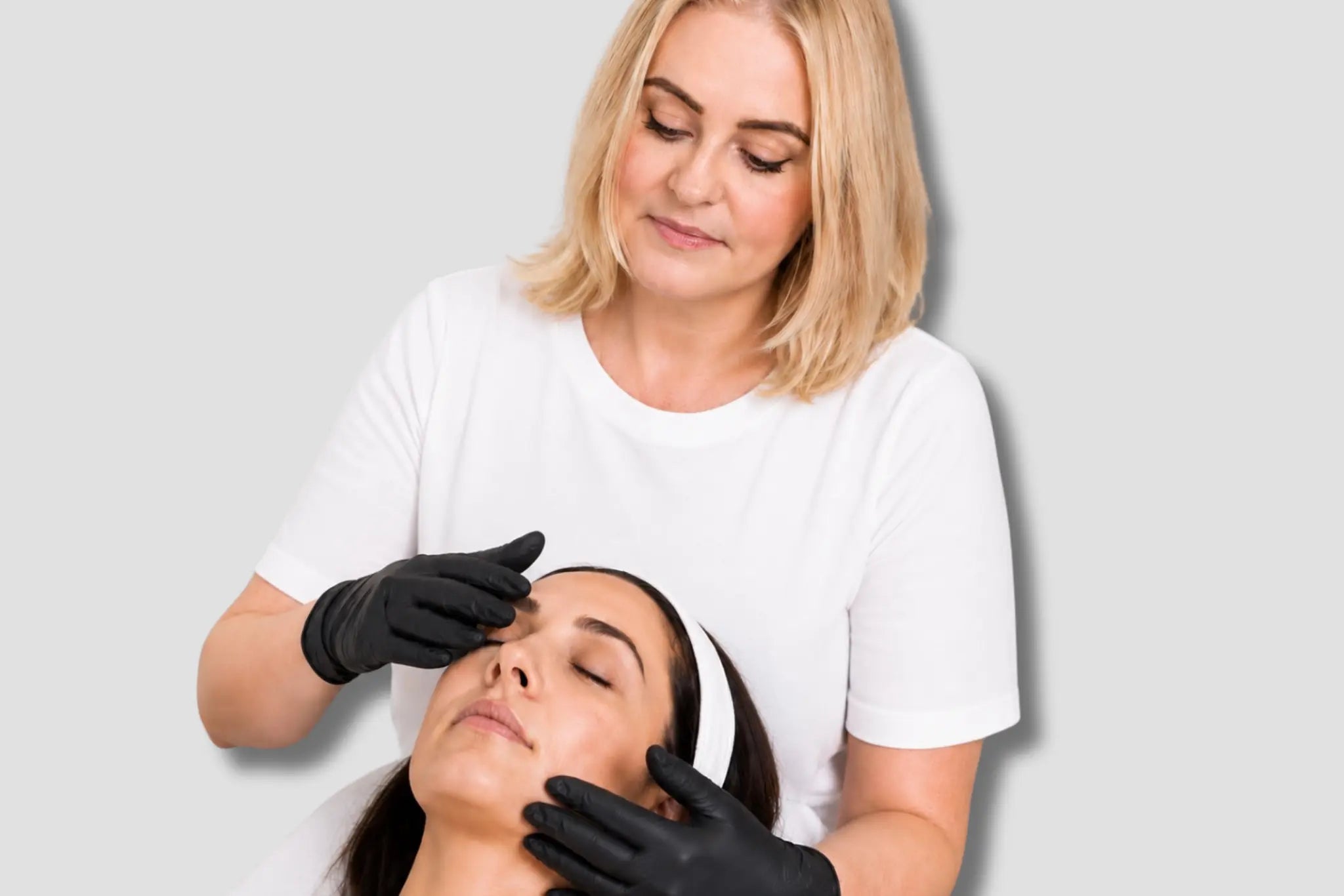
In the treatment room, many persistent skin concerns improve not by aggressively forcing change, but by restoring balance and reducing unnecessary stress on the skin.
Understanding barrier function shifts skincare away from constant correction and toward long-term stability and resilience.
RELATED ARTICLES ON SKIN BARRIER HEALTH
Signs of Over-Exfoliation and Barrier Damage
Why Glass Skin Trends Can Damage the Barrier
Understanding TEWL and Moisture Loss
How to Hydrate Dehydrated Skin
Barrier-Friendly Cleansing and Controlled Daily Exfoliation
Why Most Acne Treatments Fail?
Sensitive Skin and Barrier Support
FAQ
WHAT IS THE SKIN BARRIER?
The skin barrier is the outermost protective layer of the skin that helps regulate hydration while protecting against environmental stress.
HOW DO I KNOW IF MY SKIN BARRIER IS DAMAGED?
Common signs include tightness, irritation, dehydration, breakouts, sensitivity, redness, and products suddenly stinging.
WHAT DAMAGES THE SKIN BARRIER THE MOST?
Over-exfoliation, harsh cleansers, environmental stress, aggressive treatments, and using too many active ingredients at once are among the most common causes.
HOW LONG DOES IT TAKE TO REPAIR A DAMAGED SKIN BARRIER?
Initial improvement may occur within days, but full recovery often takes several weeks depending on the severity of disruption.
CAN YOU REPAIR THE SKIN BARRIER FAST?
The fastest way to support repair is to reduce stress on the skin, simplify the routine, support hydration, and focus on barrier-supportive ingredients.
FINAL THOUGHT
The skin barrier is not something to constantly fight against or aggressively “fix.”
It is something to support, protect, and maintain.
When the skin functions through balance and cutaneous homeostasis, skincare becomes less about forcing change and more about supporting long-term skin health, resilience, and stability.
If your skin feels persistently reactive, dehydrated, or inconsistent, exploring a barrier-supportive routine may help restore comfort and long-term balance.