
We talk about the skin barrier constantly in skincare, but what exactly is it?
Your skin barrier is the outermost part of the epidermis, primarily the stratum corneum. I often describe it using the classic brick-and-mortar analogy. The corneocytes, or dead skin cells, are the bricks. The lipids surrounding them are the mortar that helps hold everything together.
Those lipids are largely made up of ceramides, cholesterol and fatty acids.
When this structure is healthy, it helps keep water in the skin while protecting it from irritants, allergens, microorganisms and environmental stressors.
When the barrier becomes disrupted, the skin loses water more easily and becomes much more vulnerable to irritation and inflammation.
How Do You Know If Your Skin Barrier Is Compromised?
A compromised barrier doesn't always look the same, but common signs include:
- Dryness and flaking
- Tightness, particularly after cleansing
- Redness
- Increased sensitivity
- Burning or stinging when applying products
- Rough or uneven texture
- Products you normally tolerate suddenly feeling irritating
If your skin suddenly seems to react to everything, don't immediately assume you need another treatment or a stronger product. Take a look at the condition of your barrier first.
What Damages the Skin Barrier?
Sometimes we simply do too much to our skin.
Over-cleansing, harsh cleansers, scrubs, frequent exfoliation and overuse of AHAs, BHAs, retinoids and skin treatments can all disrupt the barrier. So can products that repeatedly irritate your particular skin.
The environment matters too - UV exposure, low humidity, air conditioning, cold weather, pollution and other environmental stressors can increase water loss and place additional stress on the skin.
Inflammatory skin conditions and general health can also interfere with normal barrier function.
The important thing is to identify what is disrupting your skin rather than simply piling barrier products on top of an unchanged routine.
If your cleanser is stripping your skin and you continue using it twice a day, adding a ceramide cream isn't really solving the problem.
Why Lipids Matter
Lipids are fundamental to a healthy barrier.
The three major classes of lipids in the stratum corneum are:
- Ceramides
- Cholesterol
- Free fatty acids
These lipids need to be present in an appropriate balance for the barrier to function properly.
Certain fatty acids are considered essential because our bodies cannot manufacture them and they must come from our diet. Essential fatty acids play an important role in normal skin and barrier function.
This is one reason I don't look at barrier health as simply a question of which moisturizer someone is using. The condition of the skin reflects both what we put on it and how well the skin itself is functioning.
The Skin Microbiome and Barrier Health
The skin barrier doesn't work alone. It exists alongside the skin microbiome, the community of microorganisms that naturally live on the surface of our skin.
A healthy, diverse microbiome helps support the skin's defenses and contributes to normal barrier function. At the same time, a healthy barrier provides the environment that allows the microbiome to remain balanced.
When the barrier is repeatedly disrupted, that relationship can also become disrupted, potentially contributing to irritation, inflammation and increased sensitivity.
You may see skincare products described as containing prebiotics, probiotics or postbiotics. These terms are not interchangeable.
Prebiotics are substances intended to support beneficial microorganisms. Probiotics are live microorganisms, although incorporating live microorganisms into skincare presents formulation and preservation challenges. Postbiotics are preparations of non-living microorganisms and/or their components that may provide a benefit.
For barrier health, however, I don't think you need to turn your skincare routine into a microbiology experiment.
Gentle cleansing, avoiding unnecessary irritation and maintaining the skin's hydration and lipid barrier also help support the environment in which a healthy microbiome can exist.
Repair the Barrier Before You Push the Skin
This is one of the most important principles in my practice.
If your skin is red, tight, flaky, stinging or unusually reactive, this is not the time to increase your acids or start using retinol every night. Get the skin healthy first!
A compromised barrier is more vulnerable to irritation and less tolerant of active ingredients. Continuing to push already irritated skin can create more inflammation, more dehydration and a longer recovery.
Once the skin feels comfortable and resilient again, corrective ingredients can be gradually reintroduced according to your skin's tolerance.
How to Repair and Strengthen the Skin Barrier
1. Stop What's Causing the Problem
Before adding anything, look at what may need to come out of your routine.
Temporarily reduce or discontinue products that are causing irritation. This may include exfoliating acids, retinoids, scrubs or other strong actives.
Look at your cleanser too. Your skin should not feel stripped or extremely tight after cleansing.
Barrier repair isn't only about adding products. Sometimes the most important step is stopping the thing that keeps damaging it.
2. Restore Moisture and Reduce Water Loss
When the barrier is compromised, water escapes from the skin more easily. This is known as transepidermal water loss, or TEWL.
Humectants help attract and hold water in the skin, while emollient and occlusive ingredients help reduce moisture loss and support the skin as the barrier recovers.
A simple occlusive such as petrolatum can be extremely effective at reducing water loss, but whether I recommend it depends on the condition of the skin and the rest of the routine.
For skin that needs richer lipid support, I use ONERTA Cream Barrier. It is particularly useful when the skin feels depleted, dry or compromised.
The right choice depends on the skin in front of me. There isn't one barrier product that is appropriate for everyone.
3. Replenish Barrier-Supporting Lipids
Look for formulas containing ingredients that help replenish or support the lipid components of the barrier, including:
- Ceramides
- Cholesterol or phytosterols
- Fatty acids
- Omega-rich plant oils
- Vitamin E
Oils such as squalane, kukui, borage, cranberry, safflower, sunflower and rosehip can provide fatty acids and other lipids that help support dry or depleted skin. Our Daily Moisturizer with Squalane is a perfect lightweight solution for damaged barrier.
Again, more isn't necessarily better. The goal is to give the skin what it needs without unnecessarily overwhelming or occluding it.
4. Hydrate the Skin
Barrier repair and hydration go hand in hand.
Humectants such as hyaluronic acid, glycerin and other water-binding ingredients help increase hydration while the barrier is recovering.
For this step, I often use Plant Stem Cell Serum with Peptides. It combines hyaluronic acid with peptides and other hydrating and skin-supporting ingredients to help replenish dehydrated, stressed skin without adding a heavy or occlusive layer.
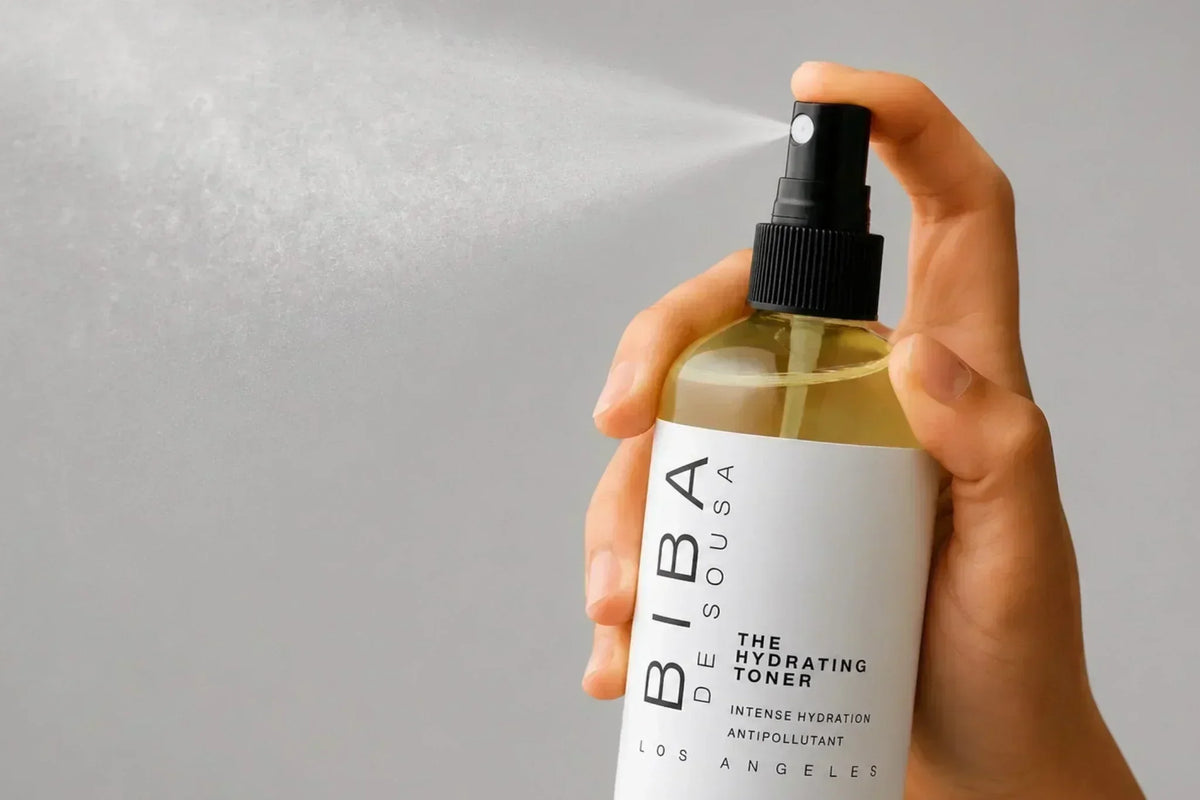
A hydrating toner can also be useful when the skin needs additional water without another heavy layer of cream.
The goal is comfortable, flexible skin. Not skin that feels tight, coated or overloaded.

5. Protect the Skin While It Recovers
UV exposure creates additional stress for already compromised skin, so daily sun protection matters.
Antioxidants can also help protect skin lipids and other cellular components from oxidative stress caused by UV exposure and environmental pollution.
But when the skin is actively irritated, simpler is often better.
You don't need to introduce every antioxidant, serum and active ingredient at once. Let the skin recover.
What About Occlusives and Slugging?
Occlusive products such as petrolatum reduce water loss by forming a protective layer over the skin. This can be extremely useful when the barrier is compromised, but slugging isn't automatically right for every person or every situation.
Someone with dry, irritated skin may benefit tremendously from occlusion. Someone who is prone to congestion, milia or certain types of breakouts may need a different approach.
This is why I don't believe in universal skincare rules.
Can You Use Acids or Retinoids While Repairing Your Barrier?
If your barrier is significantly compromised, I generally want the skin comfortable and stable before introducing strong corrective ingredients.
Once the skin is comfortable again and the signs of barrier disruption have substantially improved, actives can be gradually reintroduced.
Don't bring everything back on the same night. Start slowly. Watch the skin. Increase frequency only when the skin is tolerating what you're already doing.
Your skin doesn't improve faster simply because you use more active ingredients.
Can Some People Naturally Have a Weaker Skin Barrier?
Yes.
Genetics, age, environmental conditions and certain skin conditions can all influence barrier function. Some people naturally lose water more easily or have skin that is more reactive to environmental and topical stressors.
Barrier support therefore isn't always something you do for a week and forget about.
For some skin types, maintaining a healthy barrier needs to be part of the everyday routine.
The Bottom Line
A healthy skin barrier isn't about having a thick layer of moisturizer sitting on your face.
It is about having skin that can hold onto water, maintain its lipid structure and protect itself from the outside environment.
If your skin is suddenly dry, tight, red, flaky or reacting to products it normally tolerates, don't automatically reach for another active.
First, identify what is disrupting the barrier. Remove or reduce the source of irritation. Restore hydration and lipids. Give the skin time to recover.
Then move forward with your corrective skincare.
Barrier Support
For skin that needs additional hydration and lipid support, explore my Barrier Support collection.