
Summer changes how your skin behaves. Higher temperatures increase oil production, sweat mixes with sunscreen and environmental debris, and prolonged sun exposure can leave skin dehydrated even when it feels oily. The result is skin that may look shiny on the surface while feeling tight, congested, or unusually reactive.
In the treatment room, I rarely see clients whose skin is simply "oily" during summer. Much more often, it is oily, dehydrated, and sensitive all at once. Many people respond by using stronger cleansers, skipping moisturizer, or over-exfoliating, only to make the problem worse.
A successful summer skincare routine isn't about removing as much oil as possible. It's about maintaining balance.
Where Summer Skincare Goes Off Track
One of the biggest mistakes I see every summer is treating every sign of oil as a problem that needs to be eliminated.
The pattern is usually predictable:
- Skin feels oily, so harsher cleansers are introduced.
- Breakouts appear, so exfoliation becomes more frequent.
- Skin feels sweaty, so moisturizer is skipped.
Unfortunately, these changes often create a cycle of dehydration, irritation, and congestion that becomes increasingly difficult to control.
Healthy summer skin depends on three things: proper hydration, controlled exfoliation, and a well-functioning skin barrier.
Why Heat Changes Your Skin
Summer doesn't simply make skin oilier. It changes the way your skin functions.
Higher temperatures stimulate sebaceous glands, increasing oil production. At the same time, sun exposure, air conditioning, swimming, and frequent cleansing can increase transepidermal water loss (TEWL), reducing the skin's water content. Sweat itself isn't hydrating. As it evaporates, it can contribute to dehydration while leaving behind salt that may further irritate sensitive skin.
This is why so many people experience the confusing combination of oily yet dehydrated skin during the warmer months.
Cleanse Without Stripping
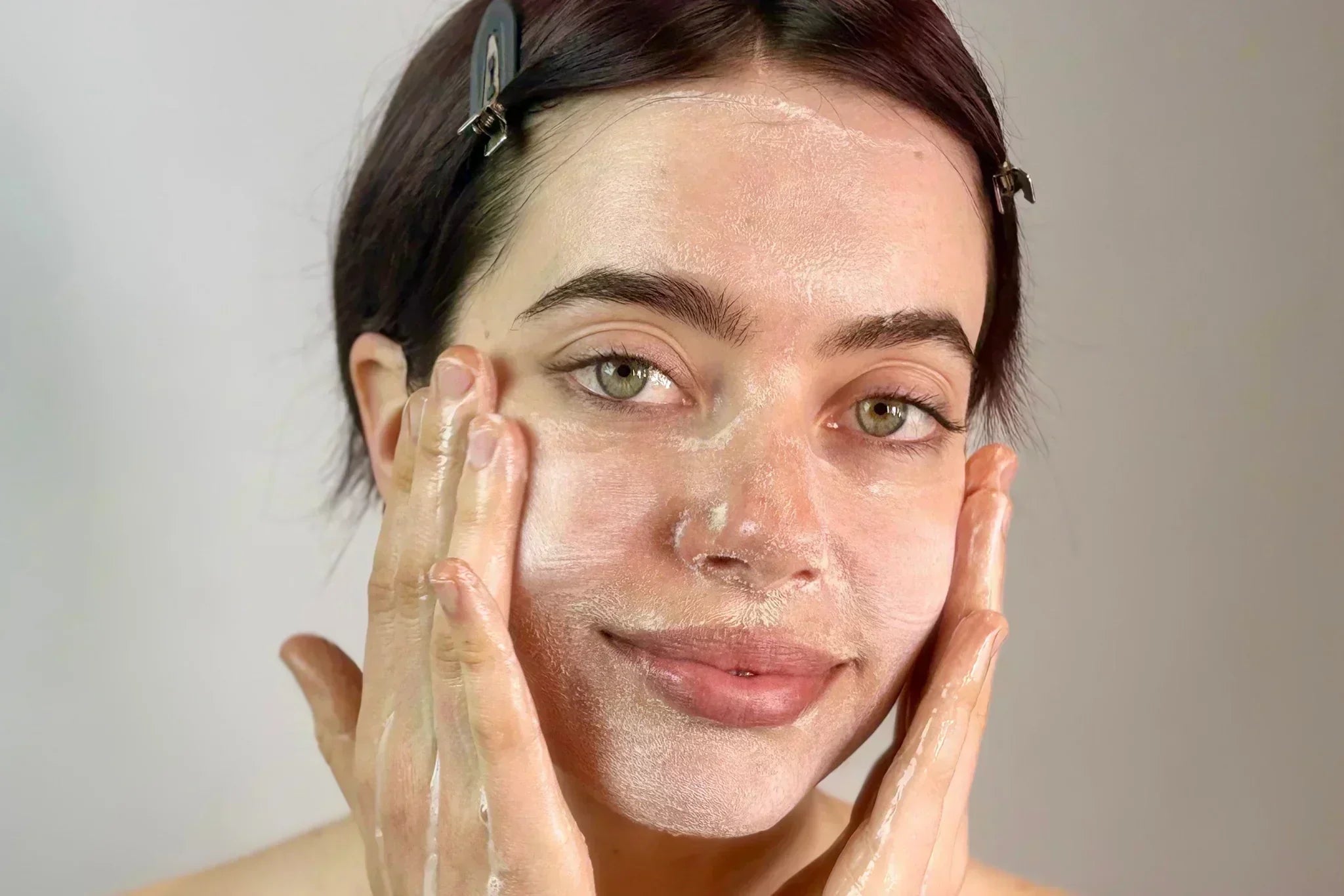
During summer, cleansing becomes especially important because sweat, sunscreen, excess oil, and environmental debris accumulate more quickly.
The goal, however, is not to leave your skin squeaky clean. Over-cleansing can weaken the skin barrier and stimulate even more oil production.
Choose a cleanser that removes buildup without stripping the skin.
- Mandelic Cleansing Gel is ideal for sensitive or acne-prone skin.
- Daily Cleanser works well for combination and oilier skin types.
Your skin should feel refreshed after cleansing, never tight.
Toner: The Step That Keeps Summer Skin Stable
Toner is one of the most overlooked steps in summer skincare, especially for skin that is both oily and dehydrated.
After cleansing, the skin is clean, but it is not necessarily balanced. This is where a well-formulated toner can make a meaningful difference.
The right toner helps support:
- Hydration
- Barrier function
- Clearer pores
- More even skin tone
- Reduced sensitivity
Read more: The Role of Toner in Skincare
Choosing the Right Toner
If your skin feels dehydrated, tight, or reactive, choose a hydrating toner.
Hydrating Toner restores moisture, calms sensitivity, and improves the absorption of the products that follow.
If your skin is congested or uneven, a gentle exfoliating toner may be a better choice.
Glycolic Lactic Toner provides controlled exfoliation that helps maintain clarity without excessive irritation.
If your skin is both oily and dehydrated—which is extremely common during summer—alternating between the two is often one of the most effective approaches.
To learn more about why hydration matters, read: Skin Barrier Function and Repair
Don't Treat Your Entire Face Like One Breakout
Summer is rarely the right time for aggressive, full-face treatments.
Instead, address specific concerns where they exist.
- Acne Gel for active blemishes
- Purifying Zinc Mask for congestion and excess oil
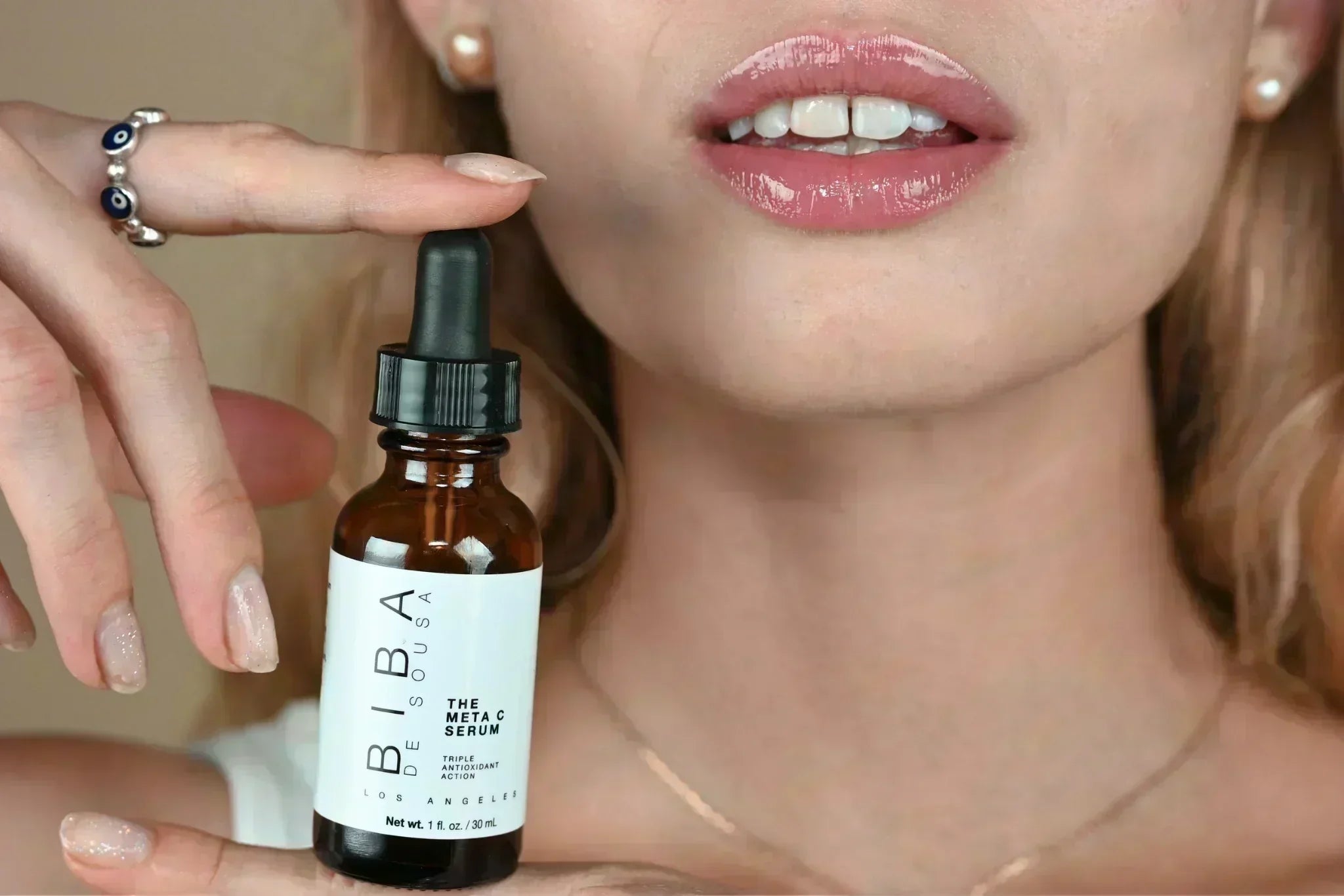
- Meta C Serum to help brighten the complexion and reduce the appearance of hyperpigmentation
Vitamin C is particularly valuable during summer because it helps defend against environmental stress while supporting a more even-looking skin tone.
Hydration vs. Moisturizing
One of the most common misconceptions is that oily skin doesn't need moisturizer.
Hydration and moisturizing serve two different purposes.
Hydration increases the skin's water content.
Moisturizing helps reduce transepidermal water loss (TEWL) by supporting the skin barrier.
Without both, skin often becomes:
- More reactive
- Oilier
- More prone to breakouts
- More susceptible to uneven pigmentation
A lightweight moisturizer such as Daily Moisturizer provides barrier support without feeling heavy or greasy.
If you'd like to learn more, read: How to Keep Your Skin Hydrated During Summer
Sun Protection Is Non-Negotiable
No summer skincare routine is complete without daily sunscreen.
Ultraviolet exposure is one of the primary contributors to:
- Hyperpigmentation
- Inflammation
- Premature aging
- Barrier damage
Apply a broad-spectrum SPF 30 or higher every morning, and reapply approximately every two hours when outdoors.
Whenever possible, limit direct sun exposure during the strongest midday hours.

Don't Forget the Delicate Areas
The skin around the eyes and lips contains fewer oil glands and is especially vulnerable to dehydration and sun damage.
Support these areas with products formulated specifically for them.
- Eye Gel Cream for the eye area
- Lip Treatment with SPF for daily lip protection
The Bottom Line
Summer skincare isn't about fighting oil. It's about maintaining balance.
When skin is properly hydrated, gently exfoliated, protected from the sun, and supported with the right products, it becomes more predictable, more resilient, and less reactive.
In my treatment room, I rarely solve summer skin problems by making routines more aggressive. More often, I simplify them. Better hydration, controlled exfoliation, targeted treatment, and consistent sun protection usually produce healthier skin than trying to strip away every trace of oil.
When you work with your skin instead of against it, summer becomes much easier to navigate.
FAQ
What is the best skincare routine for summer?
A summer skincare routine should include gentle cleansing, hydration, controlled exfoliation, a lightweight moisturizer, targeted treatments when needed, and daily broad-spectrum sunscreen.
Why is my skin oily but dehydrated in summer?
Heat stimulates oil production, while sun exposure, air conditioning, swimming, and frequent cleansing can increase water loss from the skin. This often leaves skin looking oily while actually lacking hydration.
Should I use toner in summer?
Yes. A well-formulated toner helps restore hydration, support the skin barrier, improve product absorption, and maintain clearer, healthier-looking skin throughout the warmer months.
Can I exfoliate my skin in summer?
Yes, but exfoliation should be gentle and controlled. Over-exfoliating can damage the skin barrier, increase sensitivity, and make hyperpigmentation more difficult to manage.
Do I need moisturizer if my skin is oily in summer?
Absolutely. Skipping moisturizer can worsen dehydration, increase oil production, and make skin more reactive. A lightweight moisturizer helps maintain a healthy skin barrier without feeling heavy.