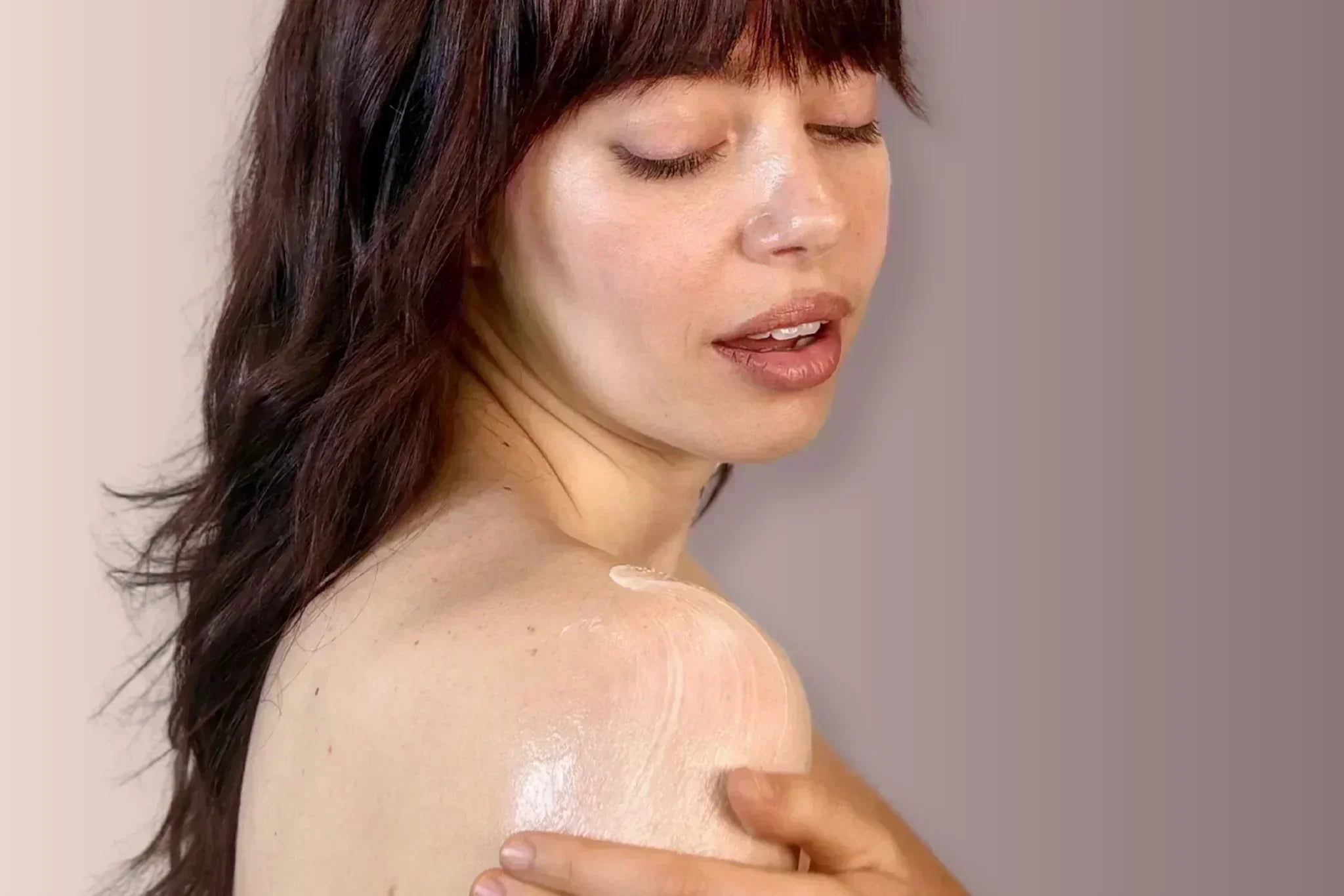

Between November and March, one of the most common questions faced by skin care professionals relates to the treatment of dry winter skin.
To understand skin hydration, it's necessary to look at the outermost layer of the skin that makes the skin impermeable, and creates a physical barrier that protects the body from water loss, bacterial invasion and other environmental aggressors.
Moisture loss in the surface of the skin triggers such a compromise in barrier function that the skin will begin to chap and develop small cracks, thus losing more moisture. These cracks in the skin generally go to a dermal level, which can often cause nerve irritation and bleeding (chapped lips or heels for example). In addition to moisture loss from the atmosphere, artificial heat, wind, snow, hot water, hand sanitizers, and soap cause dry, itchy skin, it also makes it appear visibly older.

WHY SKIN GETS DRIER IN THE WINTER
There are several less obvious reasons skin gets drier in winter beyond cold air, low humidity, wind, indoor heating, and hot showers. Winter dryness can also become a self-perpetuating cycle: as water content in the stratum corneum drops, normal shedding becomes less efficient and barrier function can suffer. More water then escapes through the compromised barrier, leaving the skin even drier, rougher, and more vulnerable.
-
Sebum production can decrease. Cooler temperatures can reduce sebaceous gland activity, so there may be less natural oil helping to lubricate and protect the skin surface.
-
Barrier lipids become less effective. The stratum corneum depends on an organized mixture of ceramides, cholesterol, and fatty acids. Cold, dry conditions can disrupt this lipid organization, making the barrier more permeable and increasing water loss.
-
Natural moisturizing factor (NMF) can decline. NMF consists of water-binding substances inside corneocytes, including amino acids, PCA, lactate, and urea. Lower humidity can reduce the skin's ability to maintain this internal reservoir of water.
-
The enzymes responsible for normal shedding need water. When the stratum corneum becomes too dry, desquamation doesn't work as efficiently. Corneocytes don't separate normally, which is one reason winter skin can become rough, flaky, and dull-looking rather than simply feeling “dry.”
-
Skin can become more reactive. Once barrier function deteriorates, substances that normally wouldn't bother the skin can penetrate more easily. This can mean more stinging, itching, redness, and sensitivity.
-
Winter routines can inadvertently make matters worse. People continue using the same amount of retinoids, acids, scrubs, acne medications, foaming cleansers, etc., even though their skin's tolerance has changed with the environment.

DRY SKIN VS. DEHYDRATED SKIN
Dry and dehydrated skin are not the same thing, although they can look and feel very similar.
Dry skin lacks oil. It produces less sebum and tends to feel rough, tight, or flaky. Dryness is generally considered a skin type and can be present year-round.
Dehydrated skin lacks water. It is a temporary condition that can affect any skin type, including oily and acne-prone skin. Dehydrated skin may feel tight, look dull, show more pronounced fine lines, or become unusually sensitive.
And yes, you can be both dry and dehydrated at the same time.
Winter can aggravate both. Lower humidity increases water loss from the skin, while cold weather and changes in our daily habits can leave the skin with less of the natural oils that help protect its surface.
HOW TO KEEP SKIN HEALTHY THROUGH WINTER
1. Avoid over-washing the skin and use tepid water. Washing the skin when it is dehydrated more than once a day will strip it further of natural oils.
2. Limit exfoliation to once or twice weekly. Excessive exfoliation will damage living cells.
3. To minimize discomfort, immediately after washing the skin, apply hydrating serums and moisturizers with emollients, humectants, ceramides and humectants to create cutaneous homeostasis and prevent dehydration. See our favorite Hydrating Routine below.
4. Get a humidifier. A humidifier will replace moisture in the air that is lost by artificial heating and temperature drops.
5. Incorporate Omega-3 Fatty Acids into your diet. EFA's (Essential Fatty Acids) are responsible for skin renewal and our bodies don't produce them. They must be obtained through diet or supplementation. Cold water fish such as salmon, mackerel and krill are excellent sources of EFA's. Vegetarian sources include flax seeds and chia seeds.
6. Eat for beauty. While all nutrients are good, some are better at fighting winter skin issues than others: Selenium (eggs, brown rice, Brazil nuts, mushrooms, fish), Silica (green beans, garbanzo beans, cucumbers, celery, asparagus, strawberries), Vitamin C (kale, parsley, green and red peppers, broccoli, citrus fruit), Vitamin A ( liver, dairy products, eggs, cod liver oil, brightly colored fruit and vegetables).
7. Keep drinking plenty of water and liquids.
8. Do not lick your lips and use a nourishing lip treatment.
Be good to your skin this winter and incorporate a great Hydrating Routine!

You can always email and ask me questions about skincare at hello@bibalosangeles.com. We want to make sure all your skin care goals are met!