
Most acne treatments don’t fail because the products don’t work, they fail because the routine is built incorrectly.
Routines are often:
- Too aggressive
- Too heavy or occlusive
- Too random
- Used inconsistently
In my practice, I see this every day. What looks like “stubborn acne” is often simply mismanaged skin. When the routine is structured properly, the skin is far more likely to stabilize and improve. This is what many people miss, and why the acne cycle continues.
Below are the most common reasons acne routines fail, and how to correct them.
Treatments Are Too Aggressive, Trying to Get Results Too Fast
Strong actives are often introduced all at once -benzoyl peroxide, acids, retinoids, without any adaptation period.
This leads to:
- barrier disruption
- increased inflammation
- prolonged breakouts
Instead of improving acne, the skin becomes reactive and unstable, and feels irritated and vulnerable.
If you’ve experienced irritation or worsening breakouts, this is often mistakenly called “purging” when in reality, it’s barrier damage.
Learn more about this in our article about the best acne tips that actually work.
Routines Become Overcomplicated (“Kitchen Sink” Approach)
Too many products are used, with too many steps and no clear purpose, in hope that something will work.
- layering actives without strategy
- mixing incompatible ingredients
- constantly switching products
This prevents the skin from stabilizing - typical example of this mistake approach would be layering actives - applying layer of Retinol over a layer of AHA and perhaps topping it off with Benzoyl Peroxide.
Acne responds best to structured, consistent routine, not experimentation.
Over-Exfoliation Keeps Inflammation Active
Exfoliation is necessary, but excess exfoliation damages the skin barrier.
When the barrier is compromised:
- inflammation increases
- healing slows down
- breakouts persist
Many people mistake irritation for progress - “it will get worse, until it gets better”. The truth is that the routine is not working because it is too aggressive and barrier damage took place.
If you’re unsure how much exfoliation your skin can tolerate, start with a controlled approach like Mandelic Meta Serum
Over-Moisturizing Can Trap Congestion
In an attempt to “repair” irritation and dehydration, routines often become too heavy. Occlusive layers created by rich creams are not suited for acne-prone skin. Occlusive layers can trap debris in the follicle and worsen congestion.
Lightweight hydration and moisturizing are often more effective than heavy moisturization for acne-prone skin.
Comedogenic Ingredients Block Progress
Even a good acne treatment won’t work if the rest of the routine is clogging the skin.
Hidden pore-cloggers can:
- prevent actives from working
- continuously trigger breakouts
You must check your products for comedogenic ingredients using the Pore Clogger Checker
Not Enough of the Right Actives
On the opposite end, some routines are too gentle and there are no improvements in terms of congestion and acne breakouts. Without effective concentrations of benzoyl peroxide, salicylic acid, AHAs or retinoids, acne bacteria and congestion are not properly controlled.
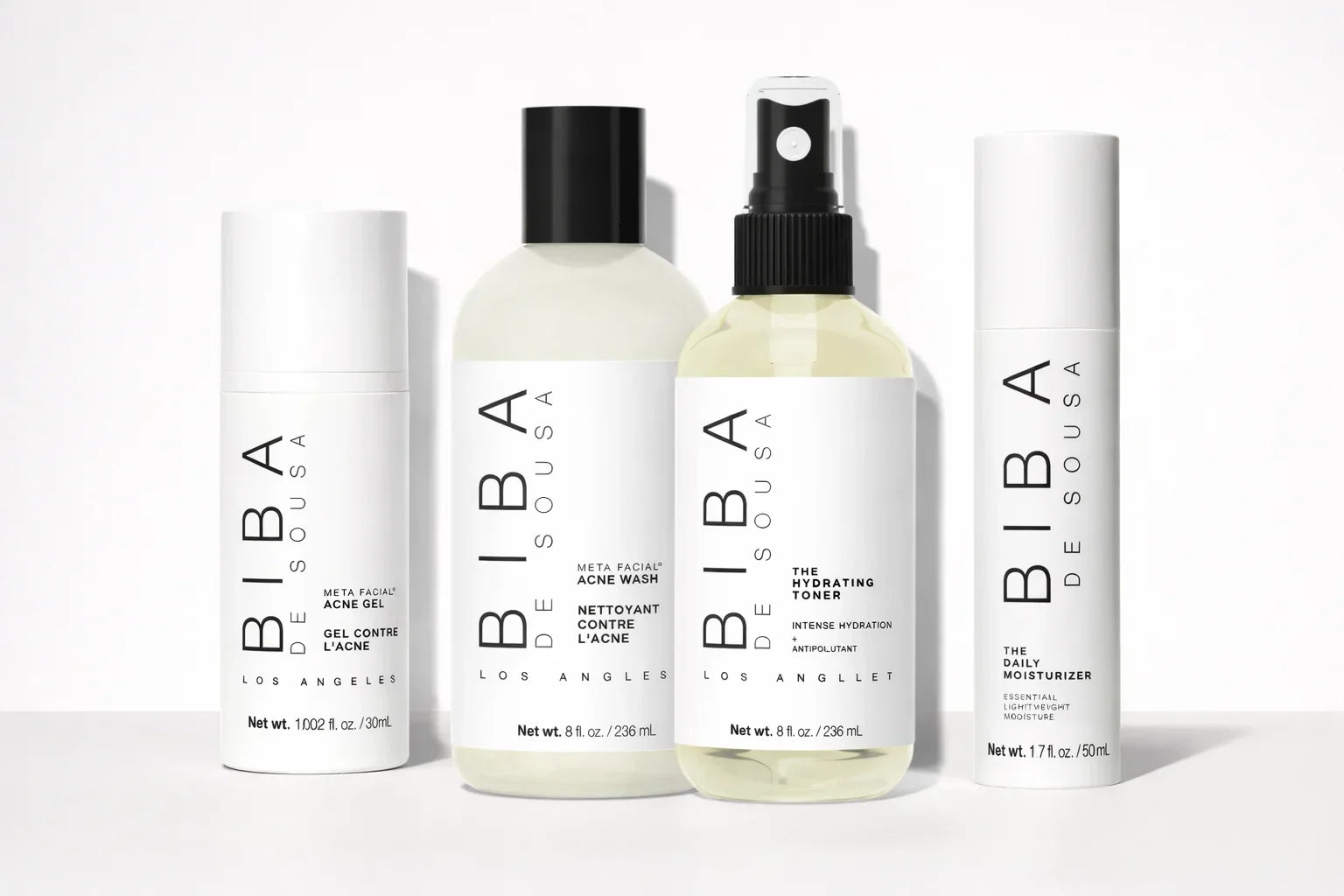
Targeted treatments like Acne Wash and Acne Gel are designed to address this directly.
Inconsistent Use Will Undermine Any Routine
Even the most effective products and the best professional guidance cannot deliver results without consistency.
When routines are used sporadically, overused in some areas and skipped in others, or mixed with unrelated products, the skin never has a chance to stabilize.
This often leads to the perception that “nothing works,” when in reality, the routine was never followed as intended. Consistency is an essential part of the treatment. I want to highlight where the most routines break down - the external routine is in place, but the internal and behavioral triggers remain. THIS IS WHY ACNE KEEPS COMING BACK! Not because nothing works, but because the same broken cycle is still in place. Here are the most common triggers for adult acne:
Hidden Triggers for Adult Acne
Adult acne often persists not because it’s resistant, but because the real triggers are being overlooked. In my practice, I see this repeatedly.
The routine is adjusted again and again, but the underlying drivers remain unchanged.
This is why acne can continue for years, even when someone is “doing everything right.”
Hormonal Fluctuations (Women and Men)
Hormonal acne is not always obvious and it’s often oversimplified. It’s not just about breakouts around the chin. It’s about how hormones influence oil production, inflammation, and the skin’s ability to regulate itself. If this isn’t recognized, routines are adjusted externally while the internal trigger continues to cause breakouts.
This is especially relevant for, perimenopause, andropause, stress-related shifts, cyclical breakouts.
Digestive Health and Diet
Diet, digestion, and inflammation patterns play a larger role than most people realize. I often see clients with solid skin routines and high-quality products, but persistent acne. Basically, the internal environment is still contributing to congestion and inflammation and this is where many routines fail - because they are only addressing what is visible.
Common contributing factors like high glycemic foods, dairy sensitivity, poor gut diversity, iodide food group can keep acne in a perpetual cycle.
We discuss this further in our good food for good skin guide.
Chronic Stress
Stress is often overlooked as an acne trigger, yet it can have a significant impact on how the skin functions and recovers. During periods of prolonged stress, elevated cortisol levels may contribute to increased oil production, prolonged inflammation, slower healing, and disruptions in sleep, all of which can make breakouts more difficult to manage.
I also frequently see stress affect behaviors that influence the skin, including inconsistent routines, poor dietary choices, skin picking, and neglecting self-care habits. In some individuals, stress may even affect digestion, which can further contribute to systemic inflammation.
This is one reason adult acne can feel "stuck." The skincare routine may be appropriate, but the underlying factors driving inflammation and delaying recovery remain unchanged. Stress-related acne often presents as persistent, slow-healing breakouts that seem resistant to otherwise effective treatments.
Learn more in our guide: Stress and Your Skin: How to Calm, Restore, and Support a Healthy Skin Barrier.
Medications and Lifestyle Factors
Certain medications such as hormonal therapies, supplements, and medications, along with lifestyle and habits (sports, travel, recreational drugs) can quietly trigger acne.
Misreading the Skin (The Biggest Mistake)
This is one of the most common patterns I see. When this happens, the routine becomes more aggressive, when the skin actually needs stabilization and calming down.
This is how cycles begin:
- breakouts → stronger products → more irritation → more breakouts
This cycle is often mistaken for “stubborn acne". Also, treating the wrong condition leads to ongoing failure. The most common mistakes are treating these conditions as acne:
- irritation
- dehydration
- barrier dysfunction
- fungal or bacterial infection. Acne is most commonly mistaken by folliculitis.
What Actually Works: A Smarter Approach to Acne
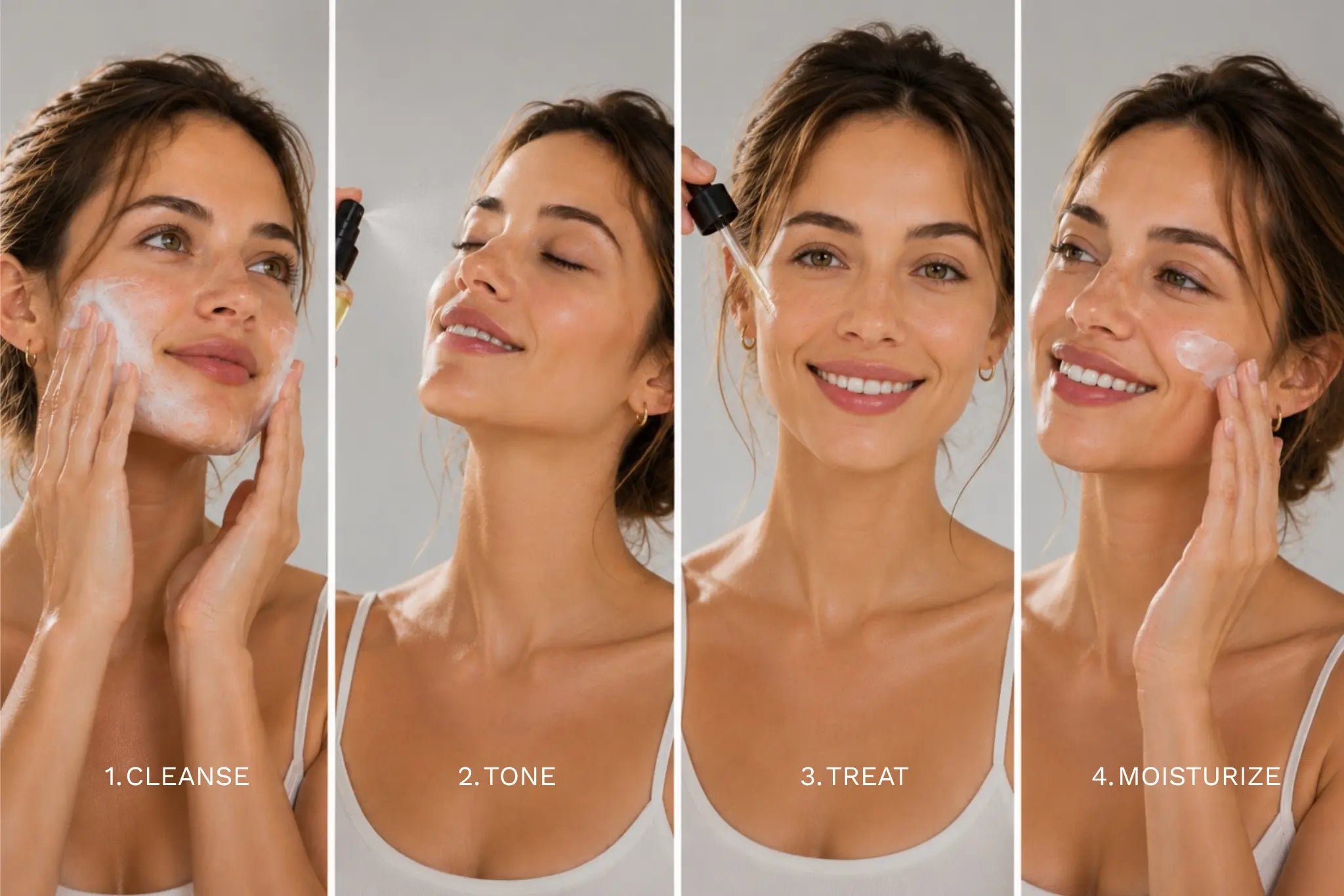
Effective acne treatment is not about doing more, it’s about doing the right things, in the right way.
Focus on:
- controlled exfoliation (not overuse)
- targeted actives in proper concentrations
- lightweight hydration (not heavy occlusion)
- consistent routine structure
- barrier-conscious support
If you’re unsure how to build this, start with a complete routine guide here.
Start with a Structured Acne Routine
Instead of guessing, start with products designed to work together.
Explore the Acne Collection
This includes:
- acne-safe cleansers
- targeted treatments
- barrier-conscious support
Recommended Products for Acne-Prone Skin
- Acne Wash (2.5% benzoyl peroxide cleanser) → helps control acne-causing bacteria and reduce active breakouts
- Acne Gel (2.5% benzoyl peroxide treatment) → targeted treatment to manage breakouts and prevent new congestion
- Mandelic Cleansing Gel → gentle, slow-penetrating exfoliation suitable for sensitive and acne-prone skin
- Mandelic Acid Serum → supports cell turnover and helps keep pores clear without aggressive irritation
- Mandelic Scrub → dual-action exfoliation to smooth texture and loosen buildup in the follicle
- Purifying Zinc Mask → helps calm inflammation, absorb excess oil, and support a clearer-looking complexion
- Hydrating Toner → restores hydration and supports barrier balance without heaviness
- Plant Stem Cell Serum → supports skin recovery, reduces visible irritation, and maintains barrier function
FAQ
Why do acne treatments stop working?
Many acne treatments do not actually stop working. More commonly, routines become too aggressive, inconsistent, or fail to address underlying triggers such as stress, hormones, diet, or barrier dysfunction.
Can stress cause acne?
Stress can contribute to breakouts by increasing inflammation, influencing oil production, disrupting sleep, and slowing recovery from existing blemishes.
Can over-moisturizing cause acne?
Heavy or highly occlusive products may worsen congestion in some acne-prone individuals. Lightweight hydration is often a better choice.
Why is my acne not improving despite using good products?
Acne often persists when underlying triggers such as hormones, stress, diet, medications, or barrier damage are not addressed.
What is the biggest mistake people make with acne?
One of the most common mistakes is assuming every breakout requires stronger treatment. Many people are actually dealing with irritation, dehydration, or barrier dysfunction rather than a lack of active ingredients.
The Bottom Line
Acne is not just about what you use, it’s about how you use it. If the structure is wrong, no product will fix it. But when the structure is correct, the skin begins to respond quickly. This is where most routines need correction.
Most failures come down to poor structure, incorrect assumptions and ignoring underlying triggers.
If your routine feels confusing, it is wrong, and in most cases, it’s not the product, it’s the structure behind it. This is this is the reason your acne is not improving.