
Spring doesn’t cause skin problems, it reveals them.
As the season shifts, skin undergoes a quiet stress test: increased UV exposure, changing humidity, temperature swings, and rising histamine activity. At the same time, many routines become more aggressive just as the skin is least equipped to handle it.
That’s why spring is often when clients notice:
- sudden breakouts
- redness or sensitivity
- uneven texture
- oiliness paired with dehydration
- the feeling that “my routine stopped working”
These are not random changes. They are barrier responses to the environment.
THE SPRING OILINESS + DEHYDRATION PARADOX
One of the most common patterns I see in spring is skin that looks oily but feels tight or dehydrated.
This happens because seasonal shifts can cause dehydration that disrupts the skin barrier while simultaneously increasing surface oil activity. The skin produces more oil to compensate, yet hydration levels remain insufficient.
The result is skin that appears:
- shiny but tight
- congested but dehydrated
- reactive yet still oily
In this state, aggressive exfoliation just makes things worse.
WHY MORE ACTIVES BACKFIRE IN SPRING
As UV exposure and inflammation rise, many people respond by:
- exfoliating more
- layering stronger acids
- increasing retinoids too quickly
- over-cleansing
- stacking vitamin C, acids, and retinol
But spring is often when the skin needs stabilization first, not escalation. Over-correcting during seasonal transition can:
- weaken barrier integrity
- increase sensitivity
- prolong congestion
- trigger rebound oil production
- worsen post-inflammatory pigmentation

PEPTIDES BELONG AT THE CENTER OF A SPRING ROUTINE
Peptides are not trends, they are biological messengers.
They help support repair signaling, reinforce collagen integrity, and improve skin resilience without triggering inflammation or photosensitivity.
Unlike acids, peptides work with the skin rather than pushing it harder, which makes them especially valuable during seasonal transition.

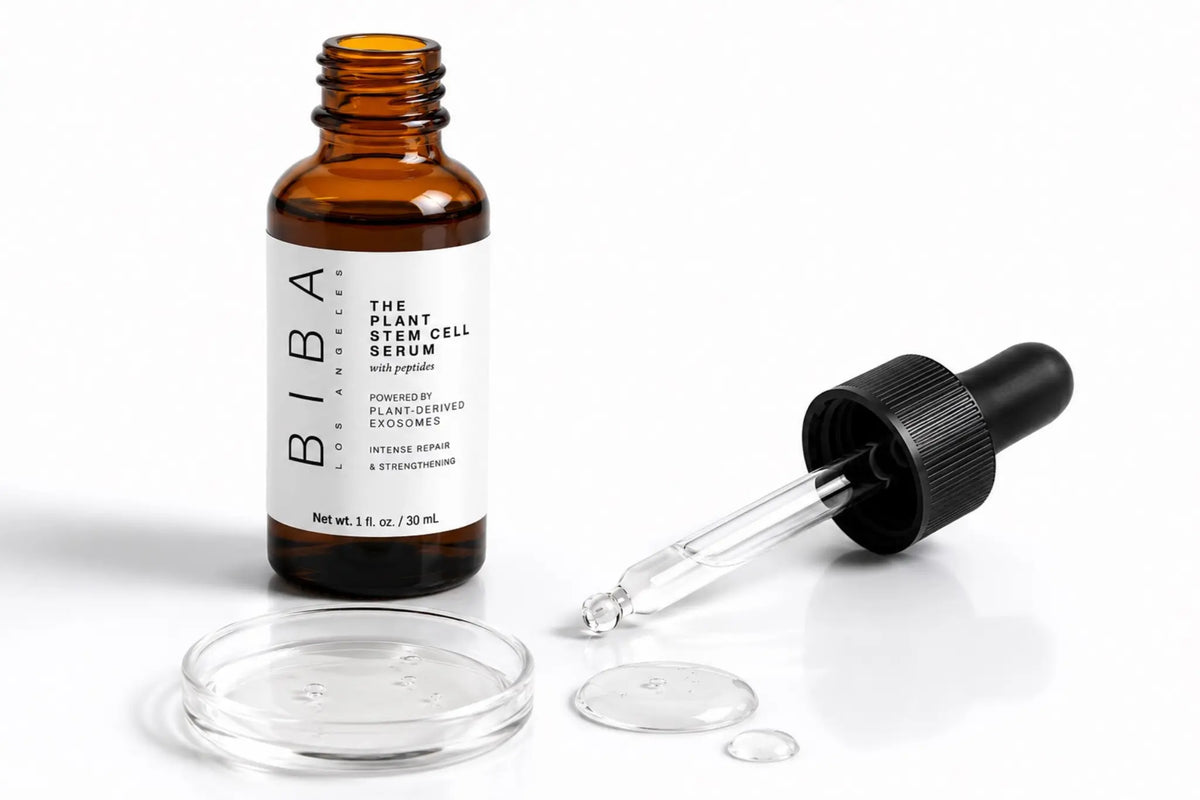
Plant Stem Cell Serum with Peptides
Supports repair signaling while respecting compromised or reactive skin. Ideal when skin feels unsettled during seasonal change.
Cream Barrier (for non-acne-prone skin)
Reinforces barrier recovery when skin feels dry, tight, or environmentally stressed.
Provides targeted peptide support to help smooth and strengthen the delicate eye area.
Delivers peptide-driven nourishment for lips that become dry or reactive during seasonal shifts.
WHAT SPRING SKIN ACTUALLY NEEDS
Once seasonal change exposes the skin’s weak points, the goal is not to push harder, it is to support more intelligently.
In most cases, skin benefits from hydration equilibrium, selective exfoliation, calming and barrier reinforcements.
A CALMER SUPPORT ROUTINE
Daily support
- Hydrating Toner → maintains hydration balance
- Plant Stem Cell Serum → supports repair communication
- Appropriate moisturizer that reinforces barrier comfort
When oiliness or congestion appears
- Mandelic Cleansing Gel - gentle barrier-aware renewal
When visible inflammation is present
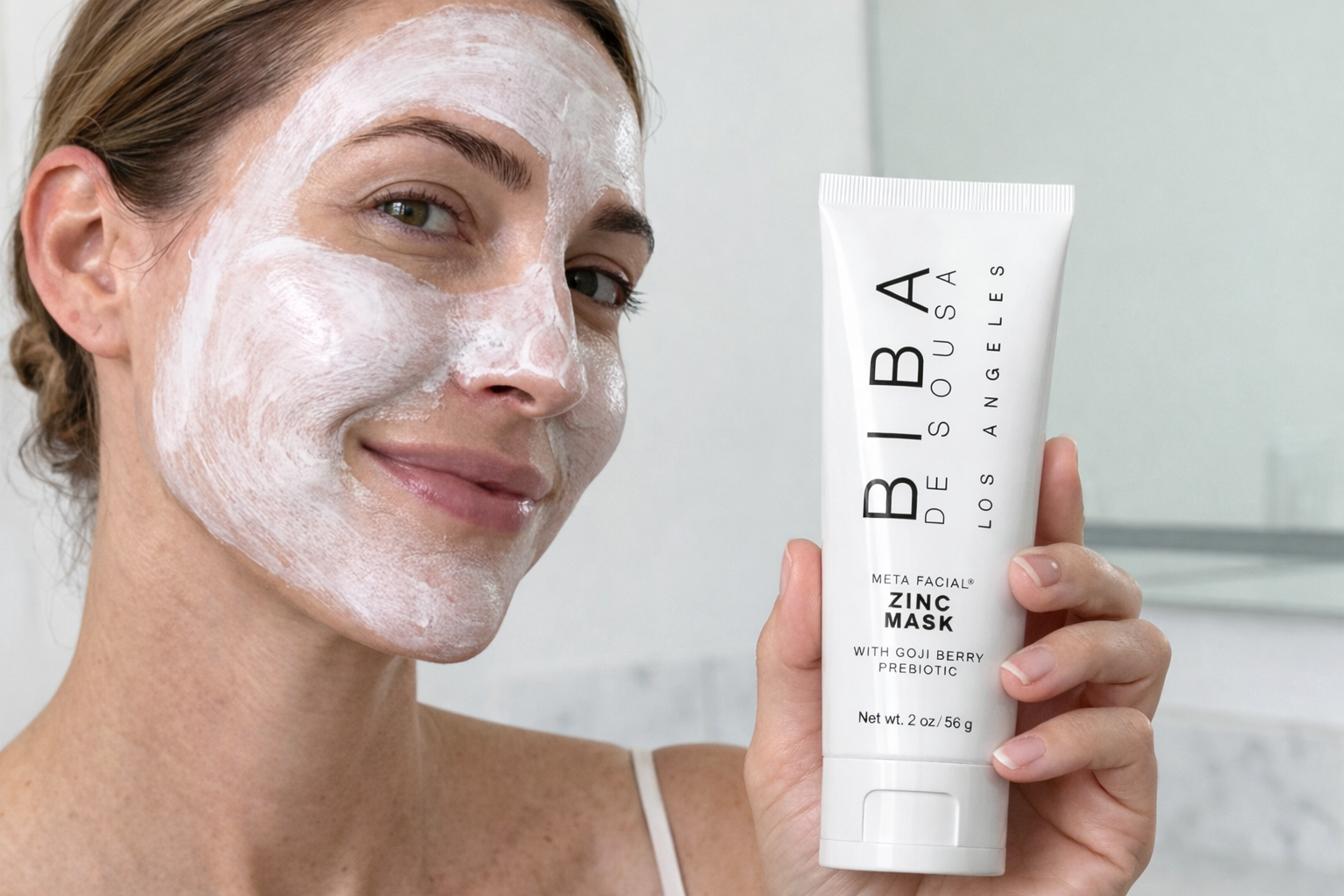
- Purifying Zinc Mask with Goji Berry Prebiotic offers additional calming support