
After years of exaggerated promises, endless experimentation, and the pressure to do more, I see something beginning to shift.
Skincare advice has become so excessive and contradictory that people are no longer confident about something as simple as washing their faces. They're now seeking a return to a more sensible approach to skincare and rediscovering the value of professional esthetic treatments.
In my treatment room, skincare is not dictated by trends. It's guided by the individual's skin type, current condition, concerns, and even the season.
The same philosophy applies to skincare at home.
Slow skincare begins with the understanding that there is no secret shortcut to skin transformation or longevity. Healthy, resilient skin is cultivated over time by respecting its physiology and providing consistent, appropriate care.
The Skincare Frenzy
I've spent decades in the treatment room, watching the skincare industry evolve. I've seen trends come and go, new ingredients become overnight sensations, and entire philosophies of skincare reinvented every few years.
But nothing compares to the frenzy of the recent skincare boom.
Suddenly, everyone was a skincare enthusiast. The sale of at-home beauty gadgets skyrocketed. TikTok and other social media platforms were flooded with advice from self-proclaimed experts, influencers were promoting one miracle product after another, and skincare routines became increasingly elaborate. There was always something newer, stronger, or supposedly better.
People were exfoliating too much, layering too many active ingredients, and experimenting with treatments that had no business being performed at home. Skin was being stripped, irritated, and overworked in the pursuit of perfection.
And perhaps the most unfortunate consequence wasn't the money spent on disappointing products, but the confusion. No matter how much people bought or how diligently they followed the latest advice, there was always the nagging feeling that they weren't doing enough or weren't doing it right and that skin got at the same or worse place they started with.
I've also watched skincare companies arrive with grand promises and aggressive marketing, only to disappear almost as quickly as they appeared.
Much of the disappointment came when “skin maxing” failed to deliver results. Buying into every trendy brand and ingredient didn't make us more sophisticated or better informed. It only made us better consumers.

Beauty Industry vs. Skin Physiology
The beauty industry and the science of skincare are not one and the same.
Much of the beauty industry is driven by investment companies whose business is to create trends, generate excitement, and sell more products. We've also witnessed medical aesthetic treatments being taken out of context and pushed to bizarre extremes, from overly aggressive laser treatments and thread lifts to excessive use of micro needling and injectables that distort facial proportions and alter natural expressions.
Skin physiology, however, doesn't change with market trends. In fact, the fundamental biology of our skin has changed remarkably little over the past century. What has changed are our lifestyle habits and our understanding of health. We smoke less, are more conscious of nutrition, exercise regularly, and understand the importance of sun protection. Cosmetic formulations have improved considerably, and advances in medicine and preventive healthcare have contributed to healthier aging.
Your skin doesn't need elaborate red-carpet treatments every day or layers upon layers of active ingredients.
Ideally, you shouldn't be constantly aware of your skin. It should feel soft, supple, and comfortable to the touch. Tightness, roughness, dryness, excessive oiliness, and irritation can indicate that your skin is out of balance.
The Return to the Treatment Room
I'm seeing a renewed appreciation for professional esthetic treatments. People are returning to the treatment room rather than attempting to recreate a medical spa at home or perform increasingly aggressive procedures on themselves.
There is something reassuring about lying down, relaxing, and allowing an experienced esthetician to assess and treat your skin.
Professional skincare requires observation, knowledge of skin physiology, experience, and the ability to recognize when to intervene and when to leave the skin alone.

The Art of Calibration
Your skin is not static. Its needs change with the seasons, your environment, stress, hormonal fluctuations, and the treatments you've recently received.
A routine that works beautifully in the summer may need adjustments during colder months. Skin that tolerates exfoliation well one week may need a gentler approach the next.
The products in your skincare routine should work together, each serving a purpose. It's not about using everything at once, but knowing what to use and when.
Some days call for exfoliation, others for extra hydration, a nourishing mask, or simply an extra coat of moisturizer.
Exfoliate When Appropriate
Once or twice a week is sufficient for many skin types. Oily, acne-prone, and more resilient skin may benefit from a different frequency, depending on the exfoliant and skin tolerance.
Overexfoliation can compromise the skin barrier and create the very problems you're trying to correct.
Recommended products: Thermal Peel Mask or Mandelic Meta Serum.
Hydrate Daily
Every skin type benefits from daily hydration, including oily and acne-prone skin.
Hydration is fundamental to maintaining skin comfort, suppleness, and healthy barrier function.
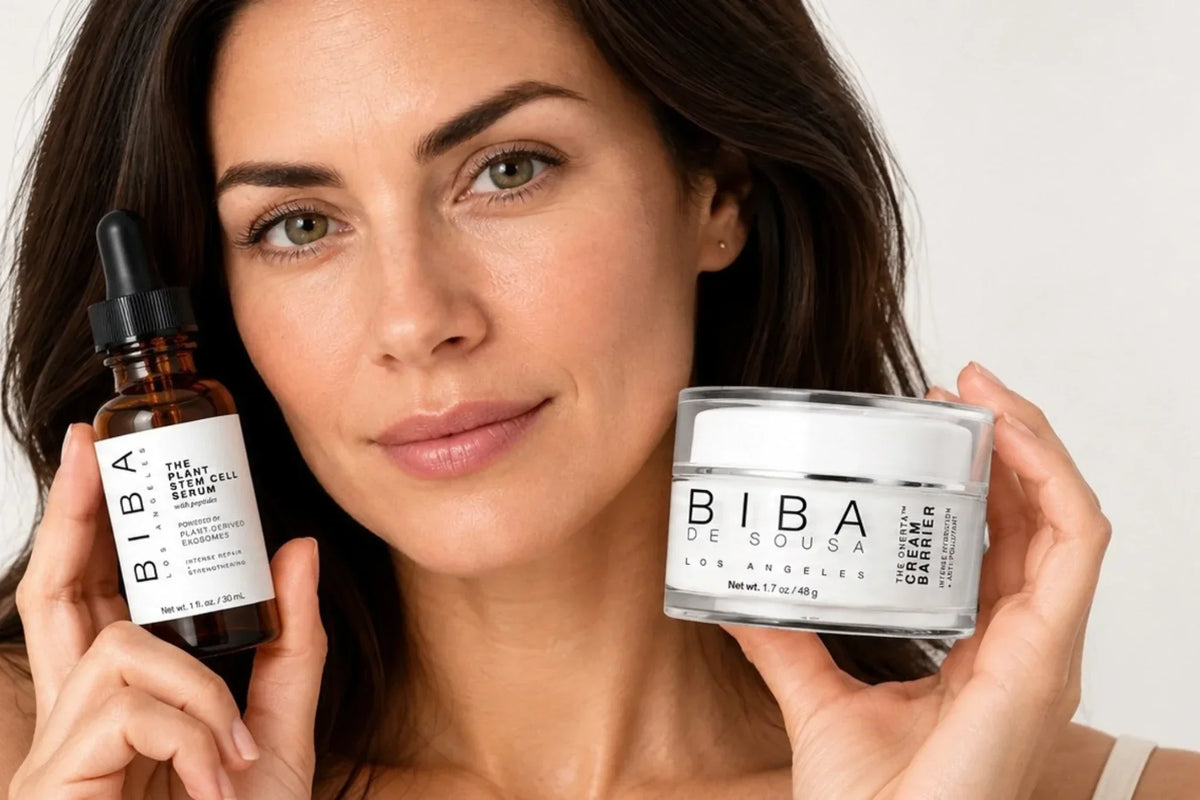
Recommended products: Hyaluronic Acid Serum, Hydrating Toner, Plant Stem Cell Serum.
Nurture and Protect
Moisturizing is not an optional finishing touch. Every skin type needs appropriate moisturizing to support and protect the skin barrier.
Recommended products: Onerta® Cream Barrier, Daily Moisturizer.

What to Watch For in Skincare
Slow skincare doesn't mean turning away from innovation.
While much of the skincare industry's attention has historically focused on exfoliation, resurfacing, and surface correction, some of the more interesting developments are exploring cellular communication.
Peptides and exosomes are two areas receiving considerable attention.
Peptides are short chains of amino acids. Certain peptides are used in skincare formulations to support processes associated with skin firmness, texture, and the appearance of aging. Their effectiveness depends on the specific peptide, concentration, formulation, and supporting evidence.
Exosomes are tiny vesicles released by cells that carry biological materials involved in cell-to-cell communication. They are being investigated for their potential applications in tissue repair and regenerative medicine.
Research into exosome-based skincare is still developing, and questions about safety, sourcing, consistency, and clinical effectiveness remain.
These developments are worth watching, but scientific terminology and impressive marketing claims are not substitutes for evidence.
Meaningful innovation has a place in skincare, but so does professional judgment.
A Little Grace Toward Yourself
Skincare should never have become another source of anxiety or a constant reminder of what needs fixing.
There is pleasure in washing your face, applying a hydrating mask, or taking a few minutes to massage moisturizer into your skin.
Caring for your skin doesn't need to be a daily pursuit of transformation. You don't need to constantly improve yourself. Focus on your health, your well-being, and the enjoyment of taking care of yourself.
Give your skin the care it needs, give it time to respond, and give yourself a little grace.