
Face mapping was once a popular way to interpret skin concern, especially acne, redness, and hyperpigmentation - by linking breakouts in specific areas of the face to internal organs, hormones, or lifestyle factors. While it can be an interesting framework, it is not accurate. It oversimplifies skin behavior and misses the most critical factor in skin health: the skin barrier.
Early in my career, I genuinely tried to adopt face mapping. I studied it, applied it in practice, and tested it repeatedly. Over time, it became clear that it didn’t make sense clinically and wasn’t helpful in identifying the true causes of skin barrier dysbalance. The patterns didn’t hold up once real-world variables such as products, ingredients, environment, and barrier damage were taken into account.
The skin barrier is the outermost protective system of the skin, responsible for keeping moisture in and irritants out. When this system is compromised, the skin becomes vulnerable to inflammation, dehydration, congestion, and pigmentation, regardless of where issues appear on the face.
Barrier mapping offers a more accurate, treatment-based way to understand why skin reacts the way it does. To care for skin effectively, it’s important to understand the difference between these two approaches and why one consistently leads to better outcomes.

What Is Face Mapping?
Face mapping is a visual approach that assigns meaning to where breakouts or irritation appear on the face. It has roots in traditional Chinese medicine and has been widely adopted in modern skincare culture.
Common interpretations include:
-
Jawline breakouts linked to hormones
-
Forehead congestion associated with digestion or stress
-
Cheek breakouts blamed on environmental factors or lungs
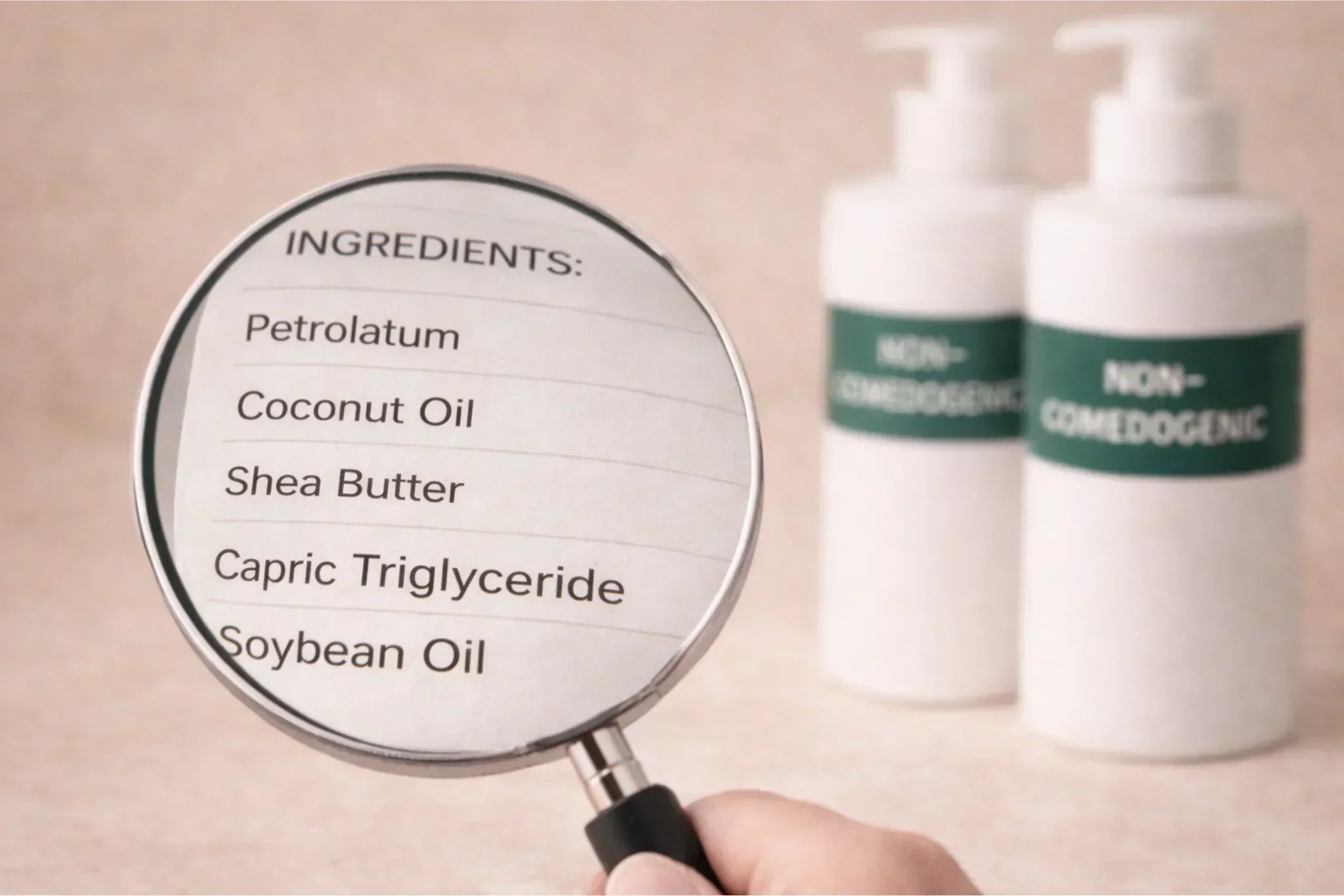
While these correlations may occasionally overlap with real contributors, face mapping is not diagnostic or accurate. It does not account for how formulations affect the skin’s protective layers, foods and medications that may trigger acne, lifestyle factors, ingredient interactions, or comedogenic product use, something I’ve addressed extensively through the Pore Clogger Checker, developed to bring clarity to ingredient lists and common acne triggers.
Why Face Mapping Falls Short
Skin is not a static chart - it is a living, responsive organ. Its outermost layers are made up of tightly packed cells held together by lipids that regulate hydration and protect against external stressors.
Face mapping often fails because it:
-
Ignores barrier damage from over-cleansing or excessive exfoliation
-
Overlooks ingredient congestion, one of the most common breakout triggers
-
Encourages people to chase internal causes while continuing routines that weaken the skin barrier
This is why many people struggling with acne or reactivity feel stuck, despite “doing everything right.” In these cases, focusing on barrier-safe acne care and learning how to treat sensitive skin properly is far more effective than relying on facial charts.
What Is Barrier Mapping?
Barrier mapping looks at how different areas of the face function differently in terms of barrier integrity.
Skin barrier mapping is the scientific analysis of the skin’s protective outer layer to assess its health, structure, and function. This is often done through tools that measure transepidermal water loss (TEWL), electrical impedance, or imaging, but experienced estheticians can also successfully assess these factors visually and tactilely.
Barrier mapping moves beyond surface symptoms and evaluates:
-
Transepidermal water loss (TEWL)
-
Lipid depletion and barrier thinning
-
Inflammation and sensitivity patterns
-
Comedogenic product use and occlusive buildup
-
Ingredient tolerance
-
Environmental exposure (weather, UV, pollution)
Instead of asking “What does this breakout mean?”, barrier mapping asks:
“What is happening to the skin’s protective system in this specific area?”
Types of Skin Mapping Used in Barrier Analysis
-
Moisture mapping
Visualization of hydration levels and moisturizing effect after single or repeated product application -
Barrier mapping (TEWL mapping)
Evaluation of epidermal barrier functionality -
Sebum mapping
Measurement and visualization of oil production and distribution -
Microbiome mapping
Visualization of microbiome balance and ratio -
Wrinkle mapping
Visualization of wrinkle depth and improvement
This reflects what actually happens in the treatment room — and explains why one-size-fits-all routines that rely on Face Mapping often fail.
How Barrier Mapping Explains Real Skin Concerns
Barrier mapping clarifies patterns that face mapping cannot:
-
Cheek breakouts often result from barrier clogging caused by comedogenic makeup, shaving products, skincare, hair products, digestive issues, poor hygiene or over-exfoliation
-
Jawline congestion is commonly worsened by occlusive ingredients combined with hormonal oil fluctuations or frequent face touching
-
Forehead texture often reflects sweating, dehydration or sun exposure, not digestion
-
Persistent pigmentation correlates with chronic inflammation that disrupts pigment regulation
These reactions are frequently intensified by climate and seasonal stressors — especially changes in humidity, temperature, and UV exposure, as explained in Did You Know That Weather Changes Affect Pigmentation?
Why Barrier Mapping Matters More
Every major skin concern - acne, sensitivity, pigmentation, premature aging has one common denominator: barrier dysfunction.
When the barrier is compromised:
-
Moisture escapes
-
Irritants penetrate more easily
-
Inflammation increases
-
Skin becomes reactive, congested, or uneven
Barrier mapping:
-
Explains skin behavior without myths
-
Allows targeted treatment instead of guesswork
-
Supports long-term skin health
-
Aligns with real-world results, not trends
Face mapping may offer context. Barrier mapping leads to correction.
The Barrier-First Perspective
Healthy skin isn’t achieved by decoding charts or chasing trends. It’s built by respecting the skin barrier, understanding how it behaves across different areas of the face, and choosing routines that preserve its protective function.
When the barrier is supported, the skin regulates itself.
That’s where real change begins.
Explore our acne-safe, barrier-supportive skincare essentials