
Facial shaving can temporarily smooth the skin, but in sensitive or acne-prone individuals it may increase irritation, micro-inflammation, and barrier disruption.
Shaving is not just hair removal, it is also a controlled exfoliation. Whether performed on the face or body, shaving removes hair and a portion of the stratum corneum, the outermost layer of the skin. Done correctly, it leaves skin smooth and calm. Done aggressively or incorrectly, it compromises the barrier, increases inflammation, and can trigger ingrown hairs, sensitivity, and pigmentation. A perfect shave must respect skin physiology!
WHAT SHAVING ACTUALLY DOES TO SKIN
Every razor pass creates three simultaneous effects:
-
mechanical hair removal
-
superficial corneocyte removal
-
micro-inflammatory signaling
This is why shaving can sometimes improve texture, and other times destabilize the skin. When the barrier is disrupted, the skin may experience increased TEWL (transepidermal water loss) which leads to surface dehydration, reactive oil production, follicular irritation or inflammation (Folliculitis), and post-inflammatory pigmentation (PIH)
SHAVING PRODUCTS: WHAT THEY ACTUALLY DO
Shaving creams, foams, and lotions are designed primarily to soften hair and reduce blade friction, not to nourish the skin.
Common functional ingredients in shaving products include:
-
Fatty acids (e.g. stearic acid) to provide slip and structure
-
Surfactants (e.g. triethanolamine) to allow spread and emulsification
-
Emulsifiers (e.g. lanolin, polyoxyethylene sorbitan monostearate) to stabilize oil and water phases
-
Solvents & emollients (e.g. glycerin and other alcohols) to hydrate and cushion
A good shaving cream isn’t about fluffy foam or strong scent, it’s about slip, because proper glide reduces blade drag, inflammation and post-shave sensitivity.
Why High-Volume Foam Often Fails the Skin
Excessive lather may feel luxurious, but it rarely improves razor movement. Foam volume is largely air suspended by surfactants. While it may look cushioning, air does not reduce blade friction. What protects skin is a continuous lubricating film between blade and skin. High-volume foam collapses unevenly under a razor, allowing direct blade contact with the skin surface, which causes irritation.
To add to the problem noted above, to maintain volume, shaving foams rely on higher concentrations of surfactants. When in higher concentration, surfactants strip surface lipids, disrupt the stratum corneum, increase TEWL (transepidermal water loss). High-air foams also dry quickly, and as moisture evaporates, lubrication decreases, blade drag increases and micro-tears are more likely to happen. This is especially problematic on large areas like legs, underarms and neck.
Fragrance Load is Often Higher
High-air (voluminous) foams are frequently paired with strong fragrance for sensory appeal, which increases irritation risk, triggers post-shave sensitivity and the fragrance is unnecessary on freshly shaved skin. Skin doesn’t benefit from scent, only from protection.
Increased Risk of Ingrowns and Inflammation
Barrier disruption combined with uneven hair cutting increases ingrown hairs, follicular inflammation (Folliculitis) and post-inflammatory hyperpigmentation (PIH), especially on body skin and chin areas.
What to Look for Instead
An effective shaving product should create low-volume, dense slip, stay wet throughout shaving, rinse without tightness and leave skin calm - not “squeaky”.
PRE-SHAVE PRODUCTS: WHEN THEY HELP
Pre-shave formulas are especially useful for coarse hair, sensitive skin and ingrown-prone areas. They often contain plant oils and other emollients for lubrication and oil soluble vitamins (A and E) to soften skin and improve flexibility. These products reduce blade drag and micro injury.
AFTER-SHAVE PRODUCTS: WHERE MANY ROUTINES FAIL
After shaving, skin needs calming, not punishment. Traditional after-shaves may include: astringents (witch hazel, ethanol), cooling agents (menthol), soothing moisturizers (aloe vera) or antimicrobial ingredients. Alcohol-heavy products can be tolerated on resilient skin but are often overused on already-irritated skin, and should be considered carefully.
WHY MANY POST-SHAVE ROUTINES FAIL
Post-shave irritation is rarely random. Most problems come from overcorrection immediately after barrier disruption.
Common mistakes include:
-
using harsh foaming cleansers
-
Shaving over the same area multiple times
-
applying alcohol-heavy aftershaves
-
layering strong actives immediately after shaving
-
over-exfoliating the area
-
skipping proper barrier support
When skin is freshly shaved, it is in a temporarily vulnerable state. Over-treating during this window can prolong inflammation, increase chances of ingrown hair formation, trigger reactive breakouts and Folliculitis and worsen post-inflammatory pigmentation. This is particularly important for reactive and deeper skin tones.
THE PERFECT SHAVE: UNIVERSAL PREPARATION
1. Soften the Skin First
Never shave dry skin. NEVER. You will directly cut into the stratum corneum and injure the skin.
-
wet the area thoroughly
-
use a hot towel, or
-
shave at the end of a warm shower
Moist heat softens keratin in the hair shaft and reduces resistance.
2. Gentle Exfoliation (Before Shaving)
Light exfoliation removes dead cells that trap hair and cause ingrowns.
Our Mandelic Scrub is ideal because it refines without stripping. It helps smooth the surface while maintaining barrier integrity. Rinse completely before shaving.
MALE FACIAL SHAVING
Technique Matters More Than Pressure
-
Apply shaving cream and leave on for 2 minutes
-
Shave with the grain - never against it
“Shave with the grain” means shaving in the direction hair naturally grows. Many areas (neck, bikini line, underarms, thighs) grow in swirls or multiple directions, which require special attention:
Step 1: Map Your Hair Growth
Before shaving, let hair grow 24–48 hours, rub fingers across the area and note smooth vs rough directions. If possible, use a mirror to detect hair swirl patterns.
Hair growth often changes direction in the neck and jawline, bikini line, underarms, thighs and knees.
Step 2: Shave in Sections, Not Long Strokes
When hair grows in multidirectional patterns:
-
shave in small sections
-
adjust razor direction
-
keep strokes short and light
-
follow the hair’s path
This reduces follicular trauma and prevents the blade from snapping hair below the surface.
Why Shaving Against Circular Growth Causes Problems
Shaving against the grain can:
-
cut hair too short
-
force hair back into the follicle
-
increase ingrowns
-
create inflammation and bumps
This is especially problematic in friction-prone areas.
What About a Second Pass?
If closer shaving is needed:
-
reapply shaving cream
-
shave across the grain (not against)
-
avoid repeat passes
For sensitive or ingrown-prone skin, one pass is enough.
Razor Guidance
-
Use a 2-blade razor
-
4–5 blade razors remove excessive skin
-
Replace blades after 2–3 uses
Shaving closer does not mean shaving better.
FEMALE BODY SHAVING
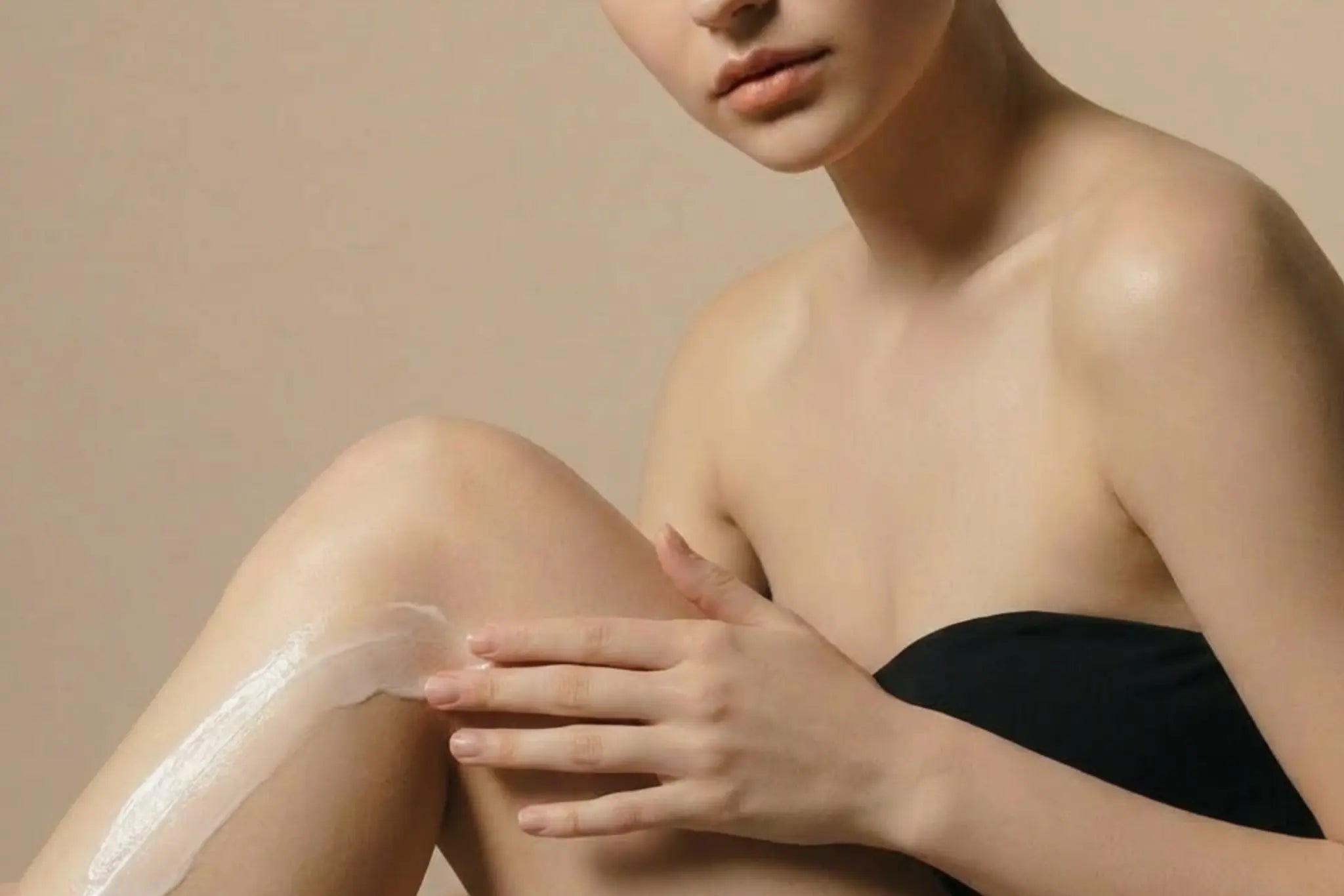
Body skin is often shaved more aggressively than facial skin, and pays the price.
Key rules for body shaving:
-
always shave on wet, softened skin
-
use shaving cream or hair conditioner, never soap alone
-
shave with hair growth in sensitive areas
-
avoid daily shaving if irritation is present
Blade Choice
-
fewer blades = less irritation
-
replace blades frequently
Aftercare
-
cold water rinse or brief icing
-
lightweight moisturizer
-
avoid fragranced body products immediately after
FEMALE FACIAL SHAVING (PEACH FUZZ)
Facial shaving for women is a great way to improve the look of facial clarity, but it must be done gently. It removes vellus hair (peach fuzz), lightly exfoliates, improves product penetration, improves makeup application.
How to Do It Safely:
-
cleanse and dry completely
-
use a single-blade facial razor
-
hold skin taut
-
shave with hair growth
-
use short, light strokes
Aftercare
-
skip strong actives for 24 hours
-
use soothing hydration
-
sunscreen is essential
MYTH BUSTER: Facial shaving does not make hair grow back thicker - it grows the hair out blunt, vs. soft after plucking or waxing.
HYPERPIGMENTATION RISK — ESPECIALLY IN DEEPER SKIN TONES
This is one of the most overlooked consequences of improper shaving. When inflammation follows shaving, melanocytes can become overactive. This increases the risk of post-inflammatory hyperpigmentation (PIH).
Higher-risk groups include:
-
deeper skin tones
-
clients who pigment easily
-
ingrown-prone skin
-
Folliculitis-prone skin
-
friction-prone body areas
In these populations, aggressive shaving can lead to long-lasting discoloration, particularly on neck, bikini line, underarms, thighs.For these clients, the goal is not the closest shave, it is the calmest recovery.
THE BIBA POST-SHAVE RECOVERY STRATEGY
In my treatment room, post-shave care focuses on calming the inflammatory cascade and supporting barrier recovery.
Immediately after shaving
-
glide an ice cube over the area for ~2 minutes (wrapped)
-
apply Glycolic-Lactic Toner as a modern after-shave to help prevent ingrowns and refine pores
-
moisturize appropriately
-
apply sunscreen every morning
When visible inflammation appears, targeted calming support can be added selectively.
DERMAPLANING: PROFESSIONAL VS AT-HOME
Dermaplaning is controlled exfoliation with a surgical-grade blade and should be treated as a professional procedure.
Professional dermaplaning is performed on clean, dry skin. It removes dead skin and vellus hair, but requires strict technique and sanitation. Dermaplaning is suitable for non-acneic, non-inflammed skin that is not prone to Rosacea or Folliculitis. Improper dermaplaning can create micro-cuts, trigger breakouts, and worsen sensitivity.
BIBA PERFECT SHAVE PRODUCT ROUNDUP
Mandelic Cleanser -gently cleanses and loosens buildup before shaving
Mandelic Scrub - smooths texture and lifts hairs for a closer shave
Glycolic Toner - acts as a modern aftershave to prevent ingrowns and calm skin
Mandelic Serum targets post-shave breakouts and congestion in the beard area
Daily Moisturizer -restores hydration and supports the skin barrier after shaving
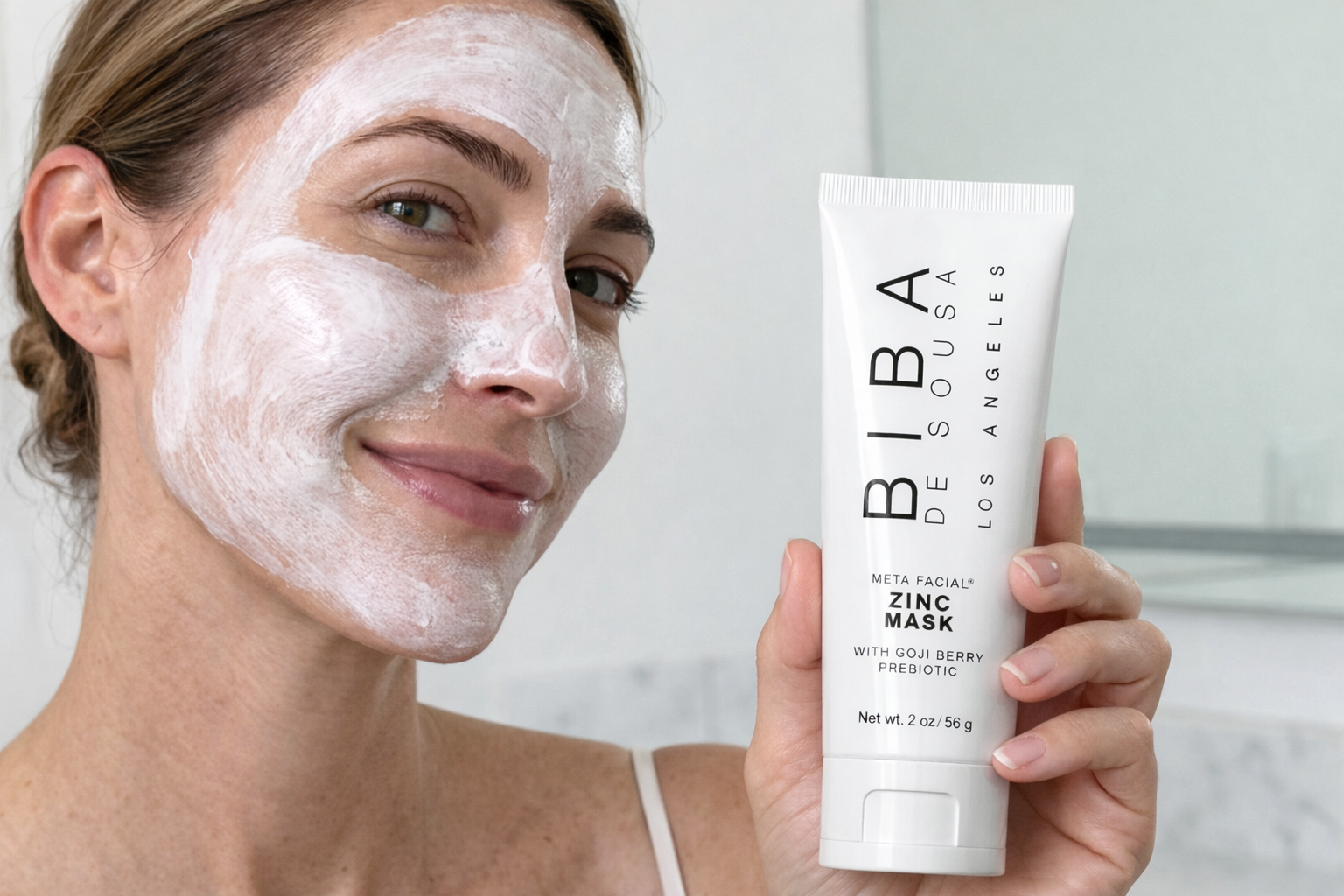
Zinc Mask with Goji Berry Prebiotic - reduces irritation and keeps pores clear while supporting balance